
The Ultimate Guide to Business Telephone Systems in Kenya: PBX & IP PBX Solutions for Every Industry
In today’s connected business world across Kenya, from the busy hubs of Nairobi and Mombasa to the growing enterprises in Kisumu and Eldoret, clear and reliable communication is essential. Think of your office telephone system not just as a utility, but as a key business tool. It directly impacts customer satisfaction, smooth internal operations, and your company’s growth. At Ritto Technologies Kenya, we specialize in designing, supplying, and installing custom communication solutions for businesses of every type and size.
What is an Office Telephone System? Understanding PBX and PABX.
Simply put, a Private Branch Exchange (PBX or PABX) is the heart of your business’s internal phone network. This system lets your team talk to each other for free and efficiently share a number of external lines to make and receive calls from outside.
The Main Benefit: The biggest advantage is major cost savings. Instead of paying for a separate phone line for every single employee, a PBX system pools lines. This smart setup allows dozens of staff members to use just a few trunk lines, which can save Kenyan businesses thousands of shillings every month on line rental and call costs.
Traditional PABX vs. Modern IP PBX: Making the Right Choice.
Understanding the different technologies is key to choosing the best system for your needs.
- Traditional Analog PABX Systems: These are hardware-based systems known for their reliability. They use dedicated cabling for each phone and typically offer excellent voice quality. However, they often lack the advanced features and flexibility that modern businesses need to stay agile.
- IP PBX Phone Systems (VoIP): This is the new standard for business phones. An IP PBX uses your existing computer network (LAN/WAN) and the internet to transmit voice calls as data. As a result, this technology opens up a world of possibilities:
- Significant Cost Reduction: Dramatically slash internal and inter-branch call costs to zero and enjoy much lower international call rates.
- Easy Growth: You can add new extensions in minutes, often without any new wiring, making it perfect for growing businesses.
- Advanced Tools: Gain access to a suite of powerful features that boost productivity.
- Total Mobility: Connect your entire team seamlessly, whether they are in the office, working from home, or in a different county.
 Get A Quote On Whatsapp
4G VoIP desktop wireless phone
Office Telephone Systems- Get A Quote On Whatsapp
Cisco IP Phone 7821 in Kenya
Cisco Voip Telephone Systems - Get A Quote On Whatsapp
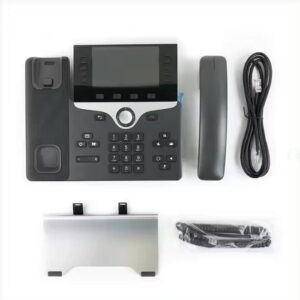
Cisco IP Phone 8841 in Nairobi, Kenya
Cisco Voip Telephone Systems - Get A Quote On Whatsapp
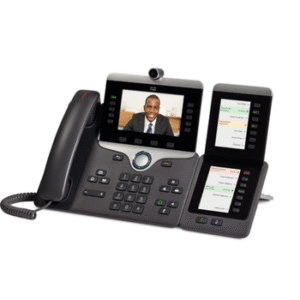
Cisco IP Phone 8845 in Nairobi Kenya
Cisco Voip Telephone Systems - Get A Quote On Whatsapp
Cisco IP Phone CP-8861-K9 in Nairobi, Kenya
Cisco Voip Telephone Systems - Get A Quote On Whatsapp
Cisco IP Phone CP-8875-K9 in Nairobi Kenya
Cisco Voip Telephone Systems - Get A Quote On Whatsapp
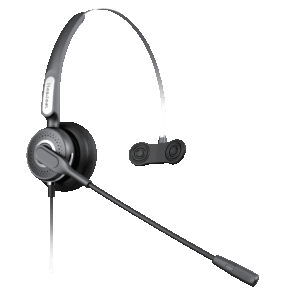
D-Link DPH-100 HD Quality Telephone Headset
D-Link IP Phones - Get A Quote On Whatsapp
D-Link DPH-115GE Compact IP Phone
D-Link IP Phones - Get A Quote On Whatsapp
D-Link DPH-115SE Compact IP Phone in Nairobi Kenya
D-Link IP Phones - Get A Quote On Whatsapp
D-Link DPH-120SE 20SE SIP Phone – Internet Phones
D-Link IP Phones - Get A Quote On Whatsapp
D-Link DPH-160W Portable Wireless IP Phone in Nairobi Kenya
D-Link IP Phones - Get A Quote On Whatsapp
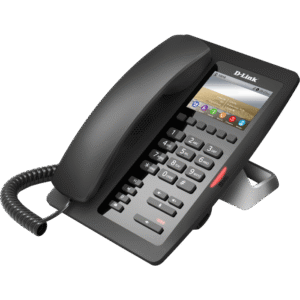
D-Link DPH-200SE Hotel IP Phone in Nairobi Kenya
D-Link IP Phones - Get A Quote On Whatsapp
D-Link DPH-860S Android Video IP Phone in Nairobi
D-Link IP Phones - Get A Quote On Whatsapp
D-Link IP Phones in Nairobi Kenya
D-Link IP Phones - Get A Quote On Whatsapp
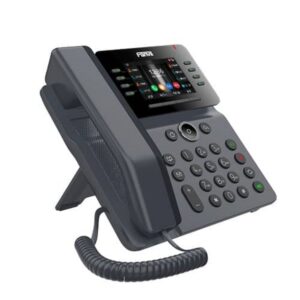
Fanvil V64 Prime Business VoIP Telephone System
Fanvil IP Phones - Get A Quote On Whatsapp
Fanvil V67 Flagship Smart Video Phone
Fanvil IP Phones - Get A Quote On Whatsapp
Fanvil X303G Business IP Phone
Office Telephone Systems - Get A Quote On Whatsapp
Fanvil X303W Business IP Phone Wi-Fi Enabled
Fanvil IP Phones - Get A Quote On Whatsapp
Grandstream DP720 & DP750 DECT IP Phone System
Grandstream IP Phones - Get A Quote On Whatsapp
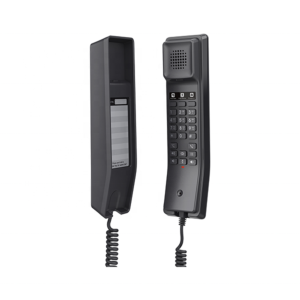
Grandstream GHP Series Hotel IP SIP Phone
Grandstream IP Phones - Get A Quote On Whatsapp
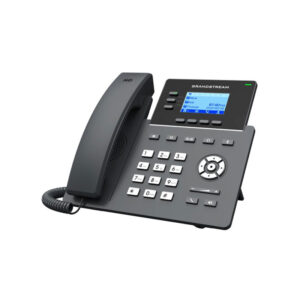
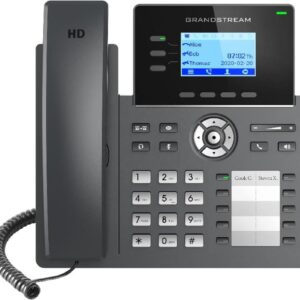
Grandstream GRP2603P Carrier-Grade IP Phone.
Grandstream IP Phones - Get A Quote On Whatsapp
Grandstream GRP2604P Essential IP Phone
Grandstream IP Phones - Get A Quote On Whatsapp
Grandstream GRP2613 Carrier-Grade IP Phone
Grandstream IP Phones - Get A Quote On Whatsapp
Grandstream GRP2615 Carrier-Grade IP Phone
Grandstream IP Phones - Get A Quote On Whatsapp
Grandstream GRP2636 Carrier-Grade IP Phone
Grandstream IP Phones - Get A Quote On Whatsapp
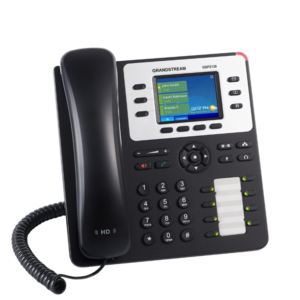
Grandstream GXP2130 Enterprise IP Phone
Grandstream IP Phones - Get A Quote On Whatsapp
Grandstream GXP2130 Enterprise-Grade IP Phone
Grandstream IP Phones - Get A Quote On Whatsapp
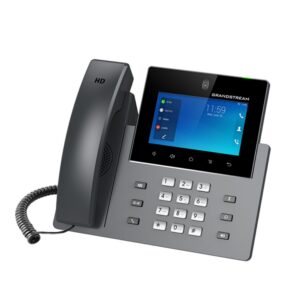
Grandstream GXV3350 High-End Smart IP Video VoIP Phone
Grandstream IP Phones - Get A Quote On Whatsapp
Grandstream GXV3350 Smart IP Video Phone
Grandstream IP Phones - Get A Quote On Whatsapp
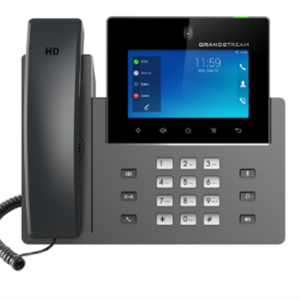
Grandstream GXV3380 IP Video Phone
Grandstream IP Phones - Get A Quote On Whatsapp
Grandstream GXV3380 Smart IP Video Phone
Grandstream IP Phones - Get A Quote On Whatsapp
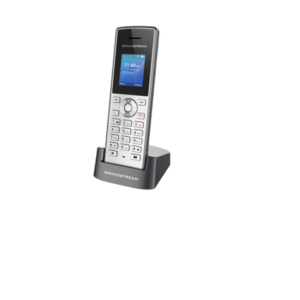
Grandstream WP820 WiFi IP Phone
Grandstream IP Phones - Get A Quote On Whatsapp
Smart Android Landline Telephone
Office Telephone Systems - Get A Quote On Whatsapp
- Get A Quote On Whatsapp
Wireless HD Audio 4G WiFi SIM Card Landline Telephone
Office Telephone Systems - Get A Quote On Whatsapp
Yealink CP960 Wireless Mic Conference IP Phone
Office Telephone Systems - Get A Quote On Whatsapp
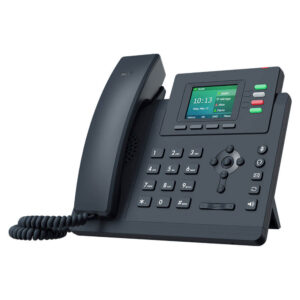
Yealink SIP-T31G IP Phone
Office Telephone Systems - Get A Quote On Whatsapp
Yealink SIP-T31P IP Phone
Office Telephone Systems - Get A Quote On Whatsapp
Yealink SIP-T33G IP Phone
Office Telephone Systems - Get A Quote On Whatsapp
Yealink SIP-T34W IP Phone
Office Telephone Systems - Get A Quote On Whatsapp
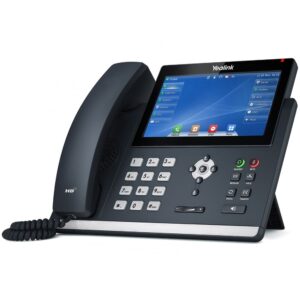
Yealink T46U IP Phone
Office Telephone Systems - Get A Quote On Whatsapp
Yealink VP59 Smart Video IP Phone
Telephone system














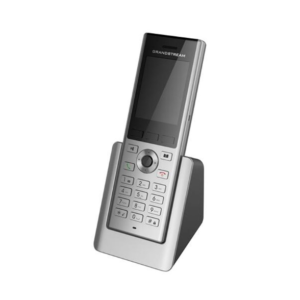
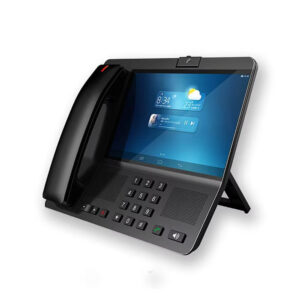

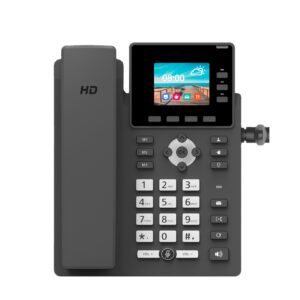


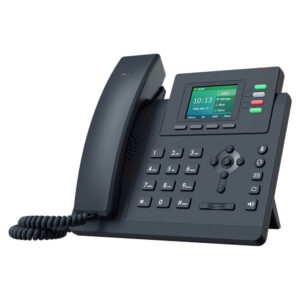


Our Comprehensive Telecom Services for Every Kenyan Industry.
We know that a hotel has different needs than a hospital or a corporate office. That’s why we move beyond one-size-fits-all solutions to provide specialized telephony systems.
- Corporate Office Telephone System: Boost productivity with features like automated attendants (IVR), voicemail-to-email, call recording, and conference calling. We tailor solutions for startups, SMEs, and large enterprises.
- Hotel Telephone System: Enhance the guest experience with wake-up calls, room status updates, and seamless connections to the front desk or housekeeping. Our solutions improve both guest satisfaction and operational flow.
- Hospital Telephone Systems: Ensure critical communication in medical environments. We support emergency code blue lines, department-specific ring groups, paging integration, and reliable connectivity for staff across all areas.
- Home & Remote Office Solutions: Create a professional, separate line for executives working from home. We seamlessly integrate remote extensions into your main office system.
- Multi-Branch Office Connectivity: Unify your communications across multiple locations. For example, we can seamlessly connect your headquarters in Nairobi to branches in Mombasa or Kisumu, creating one unified phone network with free internal calling.
- Contact Center Solutions: Empower your customer service and sales teams with intelligent call routing, queuing, real-time reporting, and CRM integration to maximize efficiency.
- Wireless (DECT) Phone Systems: Overcome cabling limitations in warehouses, large campuses, or historic buildings. We deploy secure, crystal-clear wireless solutions for complete mobility.
Our Proven Process: Installation and Support You Can Trust.
We believe that a successful implementation is just as important as the technology itself. Our clear, step-by-step process ensures a smooth transition.
- In-Depth Consultation: First, we take the time to understand your business goals, current challenges, and growth plans. We also analyze your network to ensure it’s ready for VoIP.
- Custom System Design: Next, our engineers design a solution tailored for you. We recommend the perfect technology, the right hardware from trusted brands like Yealink and Cisco, and the specific features your business needs.
- Professional Installation & Configuration:
- Our certified technicians handle everything from cabling to configuration.
- We prioritize voice traffic on your network to guarantee crystal-clear call quality.
- Furthermore, we meticulously set up all features—like IVR menus and ring groups—to match your exact business workflow.
- Thorough Testing & Training: Before going live, we rigorously test every function. Most importantly, we then conduct hands-on training sessions with your staff to ensure everyone is confident using the new system.
- Reliable Ongoing Support: Finally, our relationship continues long after installation. We offer proactive monitoring, remote troubleshooting, and swift on-site support to keep your system running perfectly.
Why Choose Ritto Technologies as Your Partner in Kenya?
- Nationwide Coverage: We offer expert installation and support in Nairobi, Mombasa, Kisumu, and all 47 counties.
- Industry-Specific Expertise: We have deep experience providing the right solutions for offices, hotels, hospitals, and call centers.
- End-to-End Service: We handle everything from initial design and installation to long-term support and maintenance.
- Honest Advice: We recommend the best solution for your specific needs and budget, not just what we sell.
- Proven Track Record: We are trusted by businesses across Kenya to deliver reliable, scalable, and cost-effective communication solutions.
A Complete Guide to Top IP Phone Brands & PBX for Kenyan Businesses.
Navigating the World of Business Telephony With Rittotechnologies.
For any business in Kenya, from a bustling Nairobi startup to an established Mombasa enterprise, choosing the right communication tools is a critical decision. The heart of modern business communication is the IP phone, which uses your internet connection to make calls cheaper and smarter.
However, with so many brands and technical terms like Asterisk on the market, selecting the right solution can feel overwhelming. This comprehensive guide will explain the top IP phone brands and key technologies, helping you make an informed decision for your Kenyan business.
1. Yealink IP Phones: The User-Friendly Powerhouse.
Yealink has established itself as a global leader in the VoIP space by striking an excellent balance between advanced features, exceptional audio quality, and remarkable ease of use. They are renowned for their reliability and intuitive interfaces, which minimize training time for staff.
Key Characteristics for Kenyan Businesses:
- Audio Quality: Consistently delivers HD Voice and superior noise cancellation, ensuring crystal-clear calls even in noisy environments like a busy Nairobi office.
- Product Range: Offers one of the most comprehensive lineups, from basic entry-level models (T4 series) to advanced executive phones with full-color touchscreens and video capabilities (T5 series).
- Durability: Built to last, which is a crucial factor for ROI in a Kenyan business context.
- Best For: Businesses of all sizes looking for a reliable, “just works” solution. Perfect for offices, call centers, and hotels that need a blend of performance and simplicity.
2. Cisco IP Phones: The Enterprise-Grade Standard.
Cisco is a titan in networking, and their IP phones reflect this heritage. They are designed for large enterprises and organizations that require deep integration with Cisco’s ecosystem of networking gear and unified communications platforms (like Cisco Unified Communications Manager).
Key Characteristics for Kenyan Businesses:
- Security & Reliability: Offers top-tier security features and unparalleled reliability, which is critical for banks, large corporations, and government institutions in Kenya.
- Ecosystem: Works best in a full Cisco environment. Can be complex and expensive to deploy in a mixed-vendor setup.
- Management: Centralized management tools are powerful but often require certified engineers to administer properly.
- Best For: Large enterprises, financial institutions, and multinational corporations with complex needs and a dedicated IT team.
3. Grandstream IP Phones: The Value Champion.
Grandstream is famous for providing incredible value for money. They pack a significant number of features into very competitively priced devices, making advanced VoIP technology accessible to small and medium-sized businesses (SMBs).
Key Characteristics for Kenyan Businesses:
- Affordability: Perhaps their biggest advantage. Offers a low cost of entry without sacrificing core functionality.
- Feature-Rich: Even their budget-friendly models often include features like Bluetooth support and multi-line capabilities.
- Range: Has a wide portfolio, including basic phones, video phones, and conference phones.
- Best For: SMEs, startups, and budget-conscious businesses across Kenya that need reliable functionality without the enterprise price tag.
4. Fanvil IP Phones: The Rising Contender.
Fanvil has quickly become a popular choice by offering modern, sleek designs and robust features at a very attractive price point. They are seen as a strong competitor to Yealink and Grandstream, often blending design aesthetics with solid performance.
Key Characteristics for Kenyan Businesses:
- Modern Design: Their phones often feature contemporary looks with intuitive, user-friendly interfaces.
- Cost-Effective: Provides excellent features and quality for a price that is very appealing to growing businesses.
- Compatibility: Highly compatible with all major PBX platforms, including 3CX, Asterisk, and others.
- Best For: Businesses looking for a modern, aesthetically pleasing phone that doesn’t break the bank. Ideal for tech companies, modern offices, and price-quality conscious buyers.
5. D-Link IP Phones: The Network Integrator.
Primarily known for its networking equipment, D-Link also offers a range of VoIP phones. Their strength lies in potential integration with their network switches and ease of management for businesses already within the D-Link ecosystem.
Key Characteristics for Kenyan Businesses:
- Ecosystem Play: Best considered if you are already using D-Link switches and management tools.
- Focused Range: Their selection is not as vast as dedicated VoIP manufacturers, but they cover essential needs.
- Best For: Small businesses or offices that already standardized on D-Link networking products and want a simplified, integrated procurement process.
6. Avaya IP Phones: The Legacy Specialist.
Avaya has a long history in enterprise telephony, originating from the traditional Lucent and AT&T systems. Their IP phones are designed primarily for use with their own proprietary Avaya IP Office and Aura communication platforms.
Key Characteristics for Kenyan Businesses:
- Proprietary System: Avaya phones are generally not plug-and-play with other PBX systems. They are built for the Avaya ecosystem.
- Enterprise Focus: Known for durability and features tailored for large call centers and enterprise workflows.
- Best For: Businesses that are already committed to or are installing a dedicated Avaya phone system. Less suitable for mixed or open-standard environments.
7. Yeastar IP Phones: The PBX Maker’s Choice.
Yeastar is primarily a leading manufacturer of PBX systems (both hardware and software). They offer a range of IP phones that are specifically optimized to work seamlessly with their own PBX equipment, ensuring simplicity and reliability.
Key Characteristics for Kenyan Businesses:
- Optimized Integration: Delivers a hassle-free, plug-and-play experience when paired with a Yeastar PBX, with features automatically configured.
- Unified Experience: Simplifies support and maintenance as both the phone and server are from the same vendor.
- Best For: Businesses that are deploying or already use a Yeastar PBX system and want the simplest integration path.
8. Asterisk: The Engine Behind the Scenes.
Asterisk is not a phone brand. It is the world’s leading open-source communications platform and software PBX. Think of it as the brain of the phone system. You can use almost any SIP-enabled IP phone (like Yealink, Grandstream, Fanvil, etc.) with an Asterisk server.
Key Characteristics for Kenyan Businesses:
- Ultimate Flexibility: It is incredibly powerful and customizable. You can build virtually any communication feature you need.
- Cost-Effective: The software itself is free, but you need technical expertise to set up, configure, and maintain it. Costs are associated with hardware, phones, and expert installation.
- Expert-Dependent: Requires a skilled technician or partner (like Ritto Technologies) for deployment and ongoing management.
- Best For: Businesses that need highly customized solutions, have in-house technical expertise, or are working with a skilled provider who specializes in Asterisk deployments.
Which IP Phone is Right for Your Kenyan Business?
| Brand | Ideal For | Key Strength | Best Used With |
|---|---|---|---|
| Yealink | All Businesses | Reliability & Ease of Use | Any SIP PBX (3CX, Asterisk, FreePBX) |
| Cisco | Large Enterprises | Security & Integration | Cisco Unified CM (Proprietary) |
| Grandstream | SMEs & Budget-Conscious | Best Value for Money | Any SIP PBX |
| Fanvil | Modern Businesses | Design & Price-Performance | Any SIP PBX (3CX, Asterisk) |
| D-Link | D-Link Network Users | Network Integration | D-Link Ecosystems |
| Avaya | Existing Avaya Shops | Proprietary Features | Avaya IP Office/Aura |
| Yeastar | Yeastar PBX Users | Plug-and-Play Simplicity | Yeastar PBX Systems |
FAQs on IP Phones & Business Telephone Systems in Kenya.
Basics & Understanding IP Phones.
1. What is an IP phone in simple terms?
An IP phone is a telephone that makes and receives calls using your internet connection instead of a traditional analog phone line. It looks like a regular phone but connects to your office network.
2. What does VoIP stand for and how is it related?
VoIP stands for Voice Over Internet Protocol. It’s the technology that allows you to make voice calls using the internet. An IP phone is the physical device that uses VoIP technology.
3. How does an IP phone system work in Kenya?
IP phones convert your voice into digital data packets. These packets are then sent over your office internet connection to a server (IP PBX), which routes the call to the recipient, whether they are in the next room or in another country.
4. What is the difference between an IP PBX and a traditional PBX?
A traditional PBX uses physical copper wires and is limited to hardware. An IP PBX uses your existing internet network, offering more features, easier scalability, and significantly lower call costs, especially for long distance.
5. Can I use my existing analog phones with a new IP system?
Yes, in many cases. Using an Analog Telephone Adapter (ATA), you can connect older analog phones to a new VoIP system. However, to access all advanced features, native IP phones are recommended.
Costs, Savings, and Providers.
6. Are IP phones cheaper to use in Kenya?
Absolutely. The primary saving comes from call costs. Internal calls between offices are free, and international call rates are much lower than those from traditional providers like Safaricom or Airtel.
7. What is the average cost of an IP phone in Kenya?
The price varies by brand and features. Basic models can start from KES 6,000, while advanced executive phones with video can cost KES 25,000 or more. It’s best to get a quote based on your needs.
8. Who are the reliable IP phone suppliers in Kenya?
Ritto Technologies is a leading supplier, offering genuine IP phones from top global brands like Yealink, Grandstream, and Cisco, complete with warranty and local support.
9. Besides the phone cost, what other expenses should I budget for?
You should also consider the cost of the IP PBX server (which can be hardware or software), installation, configuration, and any potential network upgrades for optimal performance.
10. Does using IP phones increase my internet bill?
The data usage for calls is minimal. A one-hour call typically uses less than 100MB of data. For most businesses with a stable internet connection, the cost savings on calls far outweigh the negligible increase in data usage.
Features and Benefits.
11. What are the main benefits of an IP phone system for a Kenyan business?
Key benefits include major cost savings on calls, easy scalability to add more lines, advanced features like auto-attendants, and the ability for employees to work from anywhere.
12. Can I use an IP phone to answer my office number from home?
Yes, this is a major advantage. You can use a mobile app (softphone) on your smartphone or take your IP phone home, plug it into your internet, and it will work as if you were in the office.
13. What features do IP phones offer that traditional phones don’t?
They offer features like:
- Auto-attendant (IVR): A digital receptionist that greets callers.
- Voicemail-to-Email: Get voicemail messages delivered to your inbox.
- Call Recording: Record important conversations for training or compliance.
- Video Conferencing: Built-in video on higher-end models.
14. Is the call quality on IP phones good in Kenya?
Yes, call quality is often superior to traditional lines, offering HD voice clarity, provided you have a stable and well-configured internet connection with enough bandwidth.
15. Can I connect my IP phone system to my CRM software?
Yes, many modern IP PBX systems can integrate with popular CRM platforms. This allows features like screen pops with caller information, improving customer service efficiency.
Installation, Internet, and Technical Requirements.
16. What internet speed do I need for IP phones in Kenya?
A stable connection is more important than raw speed. For a typical voice call, you need a minimum of 100 kbps (0.1 Mbps) per call upload and download. A basic 5-10 Mbps connection can easily handle a dozen simultaneous calls.
17. Do I need to rewire my office for an IP phone system?
Usually not. IP phones use your existing Local Area Network (LAN) cables (Ethernet cables). They can often plug into the same network ports as your computers.
18. What is involved in the IP phone installation process?
A professional installer like Ritto Technologies will:
- Conduct a site survey.
- Set up and configure the IP PBX server.
- Connect and configure the phones on your network.
- Test the system and train your staff.
19. Can I install the IP phones myself?
While it is technically possible to plug in a phone, professional installation is highly recommended. Configuring the PBX, ensuring network quality, and setting up features correctly require expert knowledge to avoid security and quality issues.
20. What is QoS and why is it important for VoIP?
QoS (Quality of Service) is a router setting that prioritizes voice traffic over other internet traffic (like downloads or streaming). This prevents call quality issues like jitter and latency and is crucial for a professional experience.
Reliability, Security, and Support.
21. What happens to my phone system if the internet goes down?
This is a common concern. Solutions include:
- Failover to Mobile: Routing calls to employees’ mobile phones.
- Multiple Internet Connections: Using a backup 4G/5G internet connection.
- Provider Failover: Some providers can reroute numbers.
22. Are IP phone systems secure for business use?
Yes, when properly configured. Reputable providers use encryption protocols (like SRTP and TLS) to secure voice data, making calls as secure as online banking.
23. How reliable is VoIP in areas with unstable power like some parts of Kenya?
The phones themselves require power. Reliability is ensured by using Uninterruptible Power Supplies (UPS) for the phones, router, and server to keep the system running during short blackouts.
24. Where can I get reliable IP phone repair services in Nairobi?
Choose your supplier carefully. Providers like Ritto Technologies offer full after-sales support, including warranty services, repairs, and quick replacements to minimize downtime.
25. What kind of support can I expect after installation?
A good provider will offer remote troubleshooting, phone system monitoring, on-site support for major issues, and ongoing maintenance to ensure your system runs smoothly.
Specific Use Cases in Kenya.
26. Are IP phones suitable for a small business or startup in Kenya?
Yes, they are perfect. The low initial cost and pay-as-you-grow scalability make them an ideal choice for small businesses looking to appear more professional without a large expense.
27. Can I use IP phones to connect my office in Nairobi to a branch in Mombasa?
Yes, and this is a key strength. You can create a single, unified phone system where calls between your Nairobi and Mombasa offices are completely free, as they travel over the internet.
28. Are there specific IP phones recommended for call centers in Kenya?
Yes, call centers should use IP phones with features like busy lamp fields (BLF) for monitoring agent availability, better headsets, and support for call queue management.
29. Can I keep my existing business phone number?
Yes, the process is called number porting. You can port your existing number from a provider like Safaricom to your new VoIP system, allowing you to keep your established contact number.