The Best CCTV Cameras for Businesses and Shops in Nairobi, Kenya – Ritto Technologies.
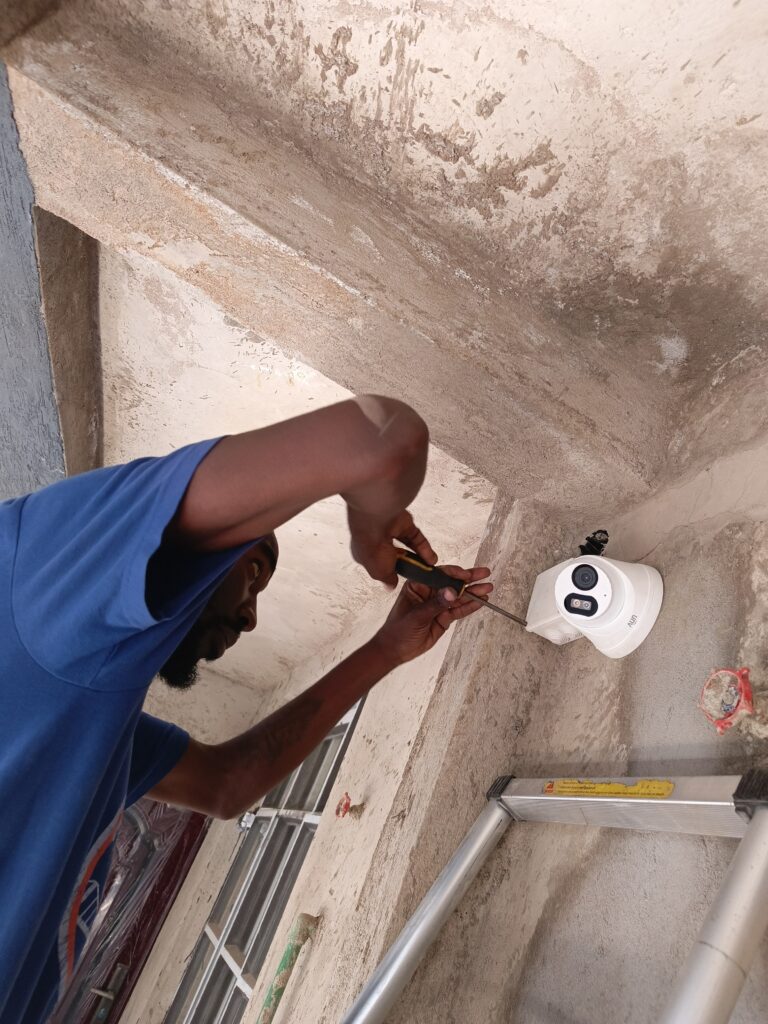
Running a business or shop in Nairobi requires more than just good customer service and quality products, it also demands strong security. Theft, shoplifting, break-ins, and employee misconduct can lead to significant losses. That’s why installing the best CCTV cameras for businesses and shops in Nairobi is one of the smartest investments you can make. At Ritto Technologies, we specialize in the supply and installation of CCTV systems tailored to the needs of retail shops, supermarkets, small businesses, and commercial outlets across Nairobi.

Why Businesses and Shops Need CCTV Cameras.
- Theft Prevention – Deters shoplifting, burglary, and unauthorized access.
- Employee Monitoring – Helps improve productivity and reduces cases of internal theft.
- Customer Safety – Enhances trust and ensures a safer shopping environment.
- Evidence Collection – Provides video proof in case of disputes or investigations.
- 24/7 Remote Monitoring – View your shop’s cameras live from your phone or computer.
The Best CCTV Cameras for Shops in Nairobi.
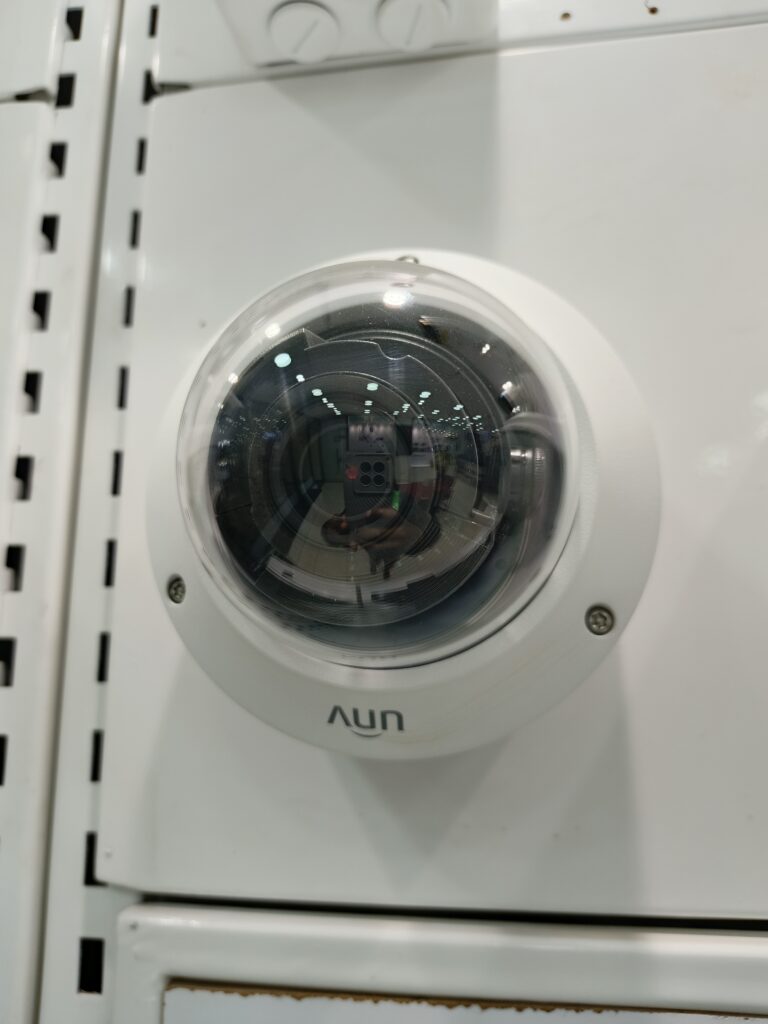
- Dome CCTV Cameras
- Small, discreet, and ideal for indoor shops and businesses.
- Perfect for monitoring shelves, cashier areas, and entrances.
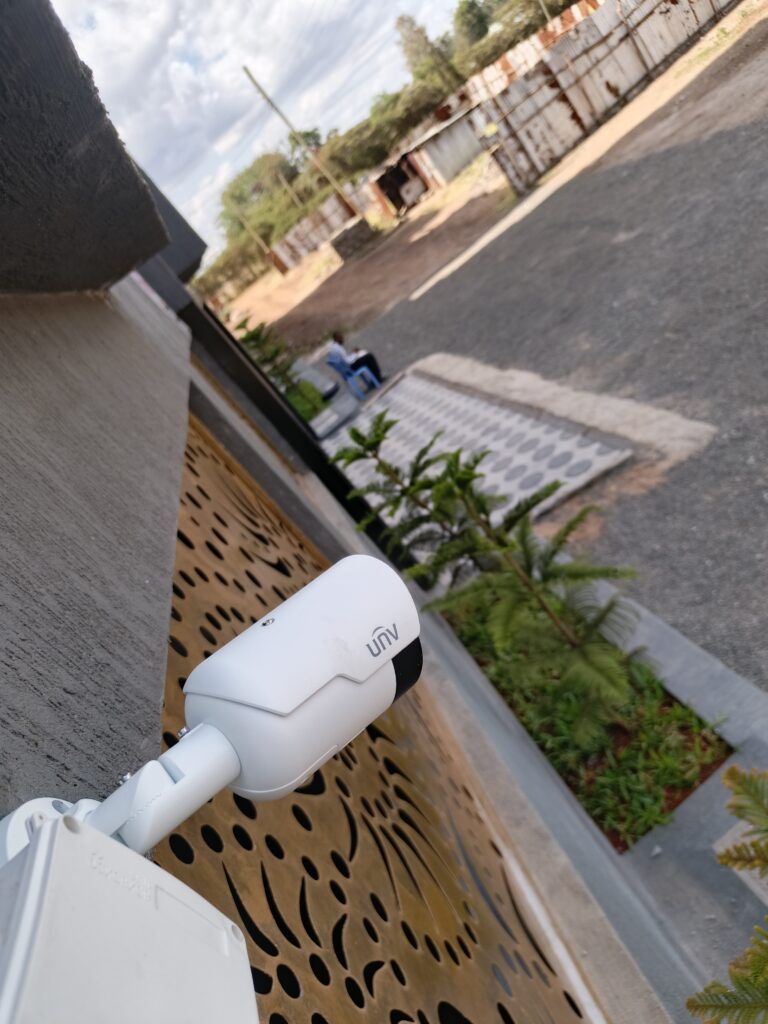
- Bullet CCTV Cameras
- Long-range coverage, suitable for outdoor shop fronts and parking areas.
- Visible and acts as a strong deterrent against theft.
- IP CCTV Cameras
- Offer HD video quality and remote access via mobile or PC.
- Great for shops that want modern, reliable surveillance.
- Wireless CCTV Cameras
- Quick to install and flexible in layout.
- Best for small shops with limited space or rental premises.
- Night Vision CCTV Cameras
- Essential for shops that operate late hours or 24/7.
- Provides clear footage even in total darkness.
Our CCTV Services for Businesses and Shops in Nairobi.
At Ritto Technologies, we provide:
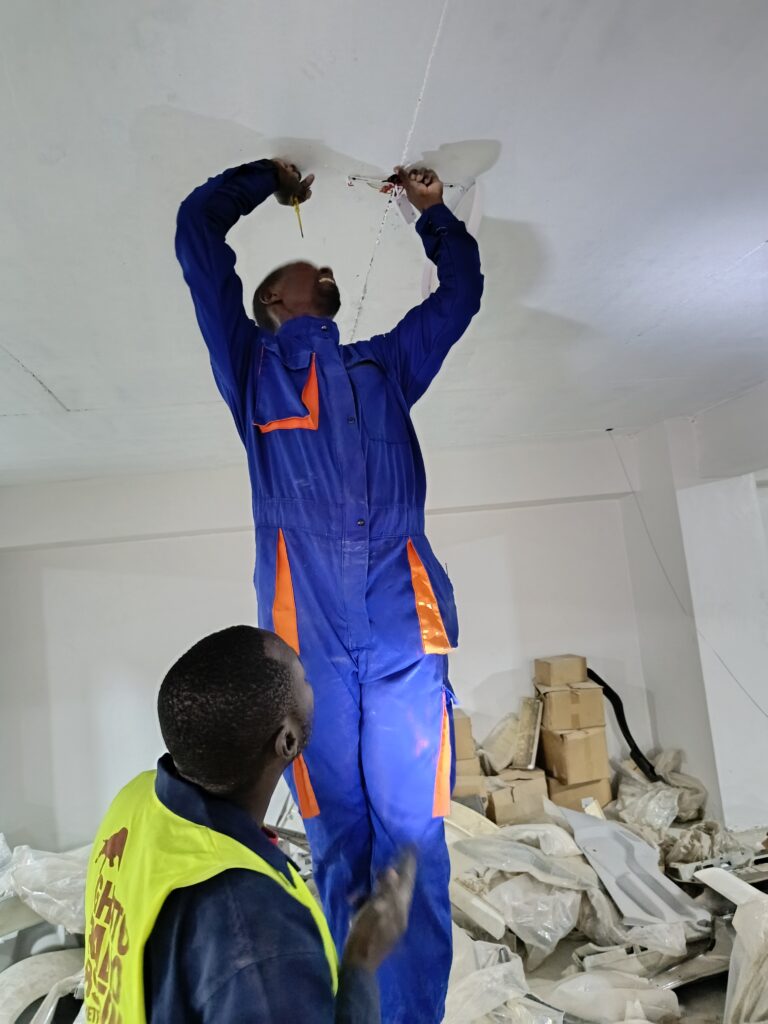
- CCTV camera supply and installation for shops and businesses.
- CCTV repair and maintenance services.
- Upgrades from analog to IP CCTV systems.
- Wireless CCTV installation for small shops.
- Affordable CCTV packages for startups and established businesses.
Why Choose Ritto Technologies?
- Recognized as one of the best CCTV installers in Nairobi.
- Experienced technicians with proven track record.
- Affordable, customizable CCTV packages for shops.
- After-sales support, maintenance, and warranty.
- Nationwide services, with strong presence in Nairobi estates and CBD shops.
FAQs on CCTV Installation in Kenya.
1. What are the benefits of installing a CCTV system in Kenya?
The benefits are immense: Crime Deterrence: The visible presence of cameras discourages burglars, vandals, and thieves. Remote Monitoring: You can watch your home or business live from your smartphone anywhere. Evidence Collection: High-quality footage is crucial for police investigations and insurance claims. Peace of Mind: It offers unparalleled security and reassurance for your family and assets.
2. How much does it cost to install CCTV in Kenya?
Costs vary widely based on several factors. A basic 4-channel analog system can start from Kes 25,000, a standard 4-channel IP system from Kes 40,000, and high-end 8-channel IP systems with advanced features can range from Kes 80,000 to Kes 200,000+. The final cost depends on the number of cameras, camera quality (resolution), brand, and complexity of installation.
3. What is the difference between analog and IP cameras?
Analog Cameras (HDCVI/TVI/AHD): Transmit video signals to a Digital Video Recorder (DVR) via coaxial cable. They are generally more affordable and suitable for standard-definition needs but offer lower resolution than IP.
IP (Internet Protocol) Cameras: Transmit digital video footage over a network (LAN cable) to a Network Video Recorder (NVR). They offer much higher resolution (e.g., 4K, 5MP), better zoom clarity, advanced features (e.g., AI analytics), and easier installation over long distances. They are typically more expensive.
4. What does CCTV resolution like 720p, 1080p, 4MP, 5MP mean?
This refers to the image clarity. Higher resolution means clearer details.
- 720p (1MP): Basic clarity, suitable for small rooms.
- 1080p (2MP): Full HD. The current standard for most homes and businesses, offering good detail for identifying faces.
- 4MP & 5MP: Quad HD and above. Provide exceptional detail, ideal for covering large areas like parking lots or shops where zooming in on a license plate or face is necessary.
- 4K (8MP): Ultra HD. The highest consumer-grade resolution, offering incredible detail.
5. Can I view my CCTV cameras on my phone?
Yes, absolutely. This is a standard feature. Reputable installers will configure remote viewing for you. You download a dedicated app on your smartphone (e.g., HiWatch, Hik-Connect, DMSS), and you can live-view your cameras, playback recordings, and receive motion alerts from anywhere with an internet connection.
6. Do CCTV systems work when there is no power?
Standard systems do not. However, you can add Uninterruptible Power Supplies (UPS) to keep the system running for a few hours during a blackout. For complete off-grid security, systems with solar panels and powerful batteries can be installed.
7. Do CCTV cameras work at night?
Yes, through Infrared (IR) Night Vision. CCTV cameras have built-in IR LEDs that illuminate the area in darkness, allowing the camera to see clearly in black and white. The range varies (e.g., 20m, 30m, 40m); ensure you choose a camera with a night vision range suitable for your area.
8. What is the best brand of CCTV in Kenya?
The market is dominated by reliable international brands. Hikvision and Dahua are the most popular due to their quality, features, and affordability. Other excellent brands include Honeywell, Samsung Hanwha, Bosch, and Axis Communications (for high-end projects).
9. What is the difference between a DVR and an NVR?
- DVR (Digital Video Recorder) is used with analog cameras. It processes the video data at the recorder.
- NVR (Network Video Recorder) is used with IP cameras. It receives and stores already-encoded video data from the cameras over a network. NVRs generally support higher-resolution footage.
10. How long is the footage stored for?
This depends on the hard drive capacity in your DVR/NVR and your recording settings. A 1TB hard drive can store approximately 2-3 weeks of continuous footage from 4 cameras. You can increase storage by adding larger hard drives (e.g., 2TB, 4TB) or setting the system to record only on motion detection.
11. Can CCTV footage be used as evidence in court in Kenya?
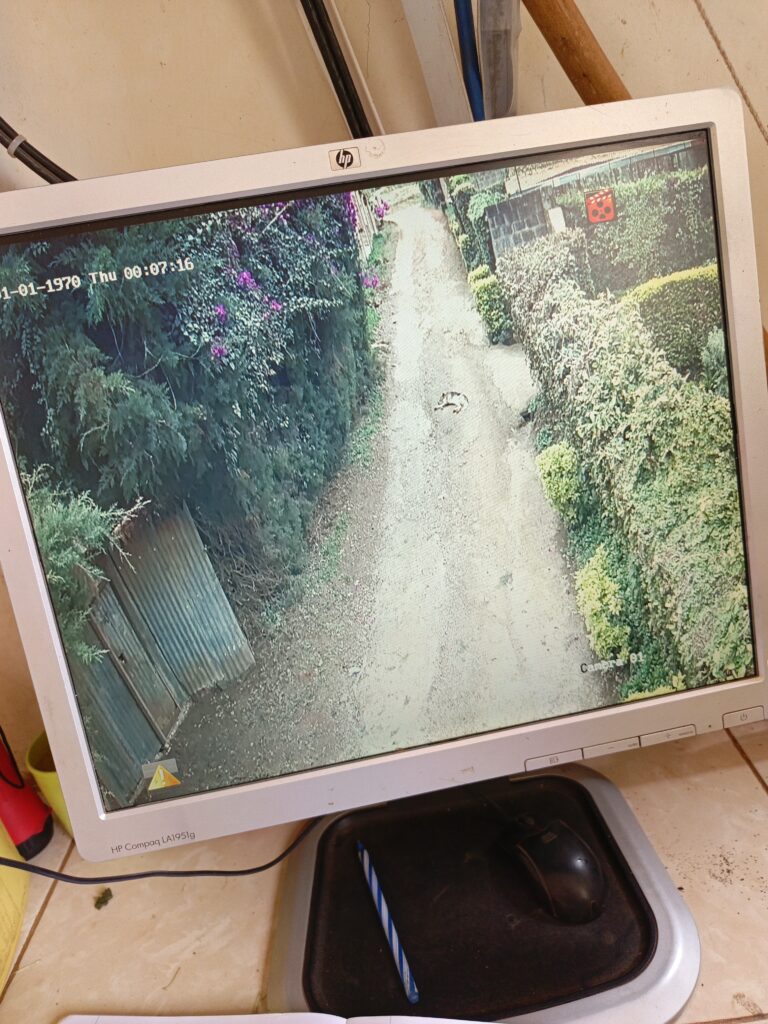
Yes, it can. It is considered admissible digital evidence. For it to be most effective, the system should have a clear time and date stamp, and the original footage should be preserved without editing. It’s highly valuable for police investigations.
12. Do I need internet for CCTV?
You need internet only for remote viewing on your phone and for receiving alerts. The core recording function between the cameras and the DVR/NVR happens on your local network and does not require an internet connection. However, internet is required for off-site features.
13. What is a PTZ camera?
PTZ stands for Pan, Tilt, Zoom. These cameras can be controlled remotely to rotate horizontally (pan), vertically (tilt), and zoom in on specific areas. They are ideal for covering large, open areas like car parks, warehouses, or large compounds.
14. What is a dome camera vs a bullet camera?
- Dome Camera: Has a compact, discreet design with a dome-shaped cover. They are vandal-resistant and the direction is less obvious, making them good for indoor use and ceilings.
- Bullet Camera: Has a long, cylindrical shape. They are more visible (acting as a deterrent) and often have longer-range night vision. Ideal for outdoor mounting on walls.
15. Is it legal to install CCTV at my home or business in Kenya?
Yes, it is legal to install CCTV on your private property. However, you must be mindful of privacy laws. You should not point your cameras directly into your neighbour’s windows or private spaces. It’s best to aim them at your own perimeter, entrances, and yard.
16. What is included in a typical CCTV installation package?
A standard package should include: the cameras, the DVR/NVR recorder, a pre-installed hard drive, power adapters, cables (coaxial/SIamese for Analog, LAN for IP), connectors, a mouse for the recorder, and professional installation and configuration.
17. How many cameras do I need for my house?
This depends on the size and layout. A typical suburban home might need: one for the front gate/door, one for the back door, one for the driveway, and one for the backyard. A site survey by a professional is the best way to determine the exact number and optimal positions.
18. What is “Motion Detection” and how does it work?
This feature allows the camera to start recording or send an alert only when it detects movement within its field of view. This saves storage space and ensures you are only notified of important events. You can usually define specific areas within the camera’s view for motion detection.
19. Can CCTV be hacked?
Like any internet-connected device, there is a potential risk. However, you can significantly reduce it by: choosing a reputable installer who changes default passwords, using strong and unique passwords for your system and app, ensuring your network router’s firmware is updated, and only using apps from official stores.
20. What is the warranty on CCTV systems in Kenya?
Standard warranty for cameras and recorders is typically 1 to 2 years for parts. Labour warranty from the installer is usually 1 year. Some premium brands or components may offer longer warranties.
21. What is the lifespan of a CCTV camera?
A good quality CCTV camera, installed properly, can last between 5 to 10 years. Technology evolves quickly, so many people choose to upgrade before the camera fails to benefit from newer features and higher resolutions.
22. Can I install CCTV myself?
Technically, yes, if you purchase a DIY kit. However, professional installation is highly recommended. An expert will ensure cameras are placed for optimal coverage, cables are run neatly and safely, the system is configured correctly for remote access and recording, and everything is weatherproofed.
23. What is ONVIF compliance?
ONVIF is a global standard that allows cameras and recorders from different manufacturers to work together seamlessly. If a camera and NVR are both ONVIF compliant, they will likely be compatible, giving you more flexibility when choosing equipment.
24. What is a “PoE” Switch?
Power over Ethernet (PoE) is a technology that allows both power and data to be transmitted through a single network (LAN) cable to IP cameras. This eliminates the need for a separate power cable and outlet near each camera, simplifying installation and reducing costs.
25. Do you offer after-sales service and support?
Reputable companies in Kenya do offer after-sales support. This includes troubleshooting over the phone, remote system checks, and sending a technician for physical repairs if necessary, usually covered under the labour warranty period.
26. What payment methods do you accept?
Most installation companies accept cash, mobile money (M-Pesa), and bank transfers. Some larger companies may also offer installment plans or accept credit/debit cards.
27. How long does the installation process take?
For a standard residential system with 4-8 cameras, the installation and full configuration can typically be completed within one day. Larger commercial systems with many cameras may take 2-3 days.
28. What areas in Kenya do you serve?
Most major security companies based in Nairobi and other cities serve their immediate surroundings and major towns nationwide (e.g., Kiambu, Thika, Nakuru, Mombasa, Kisumu). They will often travel to other locations, though a transport fee may apply.
29. What should I do before the installer arrives?
Have a clear idea of the areas you want covered. Ensure you have a stable internet connection and Wi-Fi password ready. Clear the access paths where cables might be run (e.g., attic, ceiling). Ensure power outlets are available near the proposed DVR/NVR location.
30. Can I add more cameras to my system later?
Yes, but it depends on your recorder. Your DVR/NVR has a maximum channel capacity (e.g., 4CH, 8CH, 16CH). If you have an 8-channel NVR with only 4 cameras, you can easily add 4 more. If your recorder is full, you would need to upgrade it to add more cameras.
31. What is the difference between wired and wireless CCTV?
- Wired CCTV: Cameras are connected to the recorder via physical cables. This is the most reliable and common method, offering stable power and video transmission without interference.
- Wireless CCTV: Cameras connect to the recorder via Wi-Fi. While easier to install, they can suffer from signal interference, bandwidth issues, and require a power source anyway, so they are not truly “wireless.”
32. What is Two-Way Audio?
Some advanced cameras have a built-in microphone and speaker. This allows you not only to hear what is happening but also to speak through the camera using your phone app. Useful for greeting visitors at the gate or warning intruders.
33. What is a Varifocal Lens?
A varifocal lens allows the installer to adjust the focal length (zoom) and focus of the camera manually during installation to get the perfect field of view. This offers more flexibility than a fixed lens camera.
34. My CCTV footage is blurry. What could be the cause?
Common causes include: a dirty or smudged camera lens (clean it gently), a camera out of focus (requires readjustment), low resolution settings configured in the recorder, insufficient lighting at night, or a camera that is genuinely low-resolution and needs an upgrade.
35. How do I choose a reputable CCTV installer in Kenya?
- Check Reviews: Look for Google My Business reviews and testimonials.
- Ask for Portfolios: A good company will show you examples of past work.
- Get Multiple Quotes: Don’t just go for the cheapest; compare the equipment brands and service offerings.
- Warranty: Ensure they offer a clear warranty on both parts and labour.
- Professionalism: They should offer a free site survey and explain things clearly.
Secure Your Shop Today.
Protect your business assets, customers, and employees with the best CCTV cameras for shops in Nairobi. At Ritto Technologies, we guarantee reliable, high-quality installations that give you peace of mind.