How High Should I Mount My Outdoor CCTV Camera in Kenya?
Outdoor CCTV cameras play a critical role in protecting homes, businesses, apartments, and institutions across Kenya. However, even the best camera can fail to deliver results if it is installed at the wrong height. Because of this, mounting height should never be treated as an afterthought.
While many property owners focus on camera brand or resolution, correct positioning determines whether footage is useful during an incident. For that reason, understanding the ideal mounting height is essential before installation begins.
The Ideal Outdoor CCTV Camera Height in Kenya.
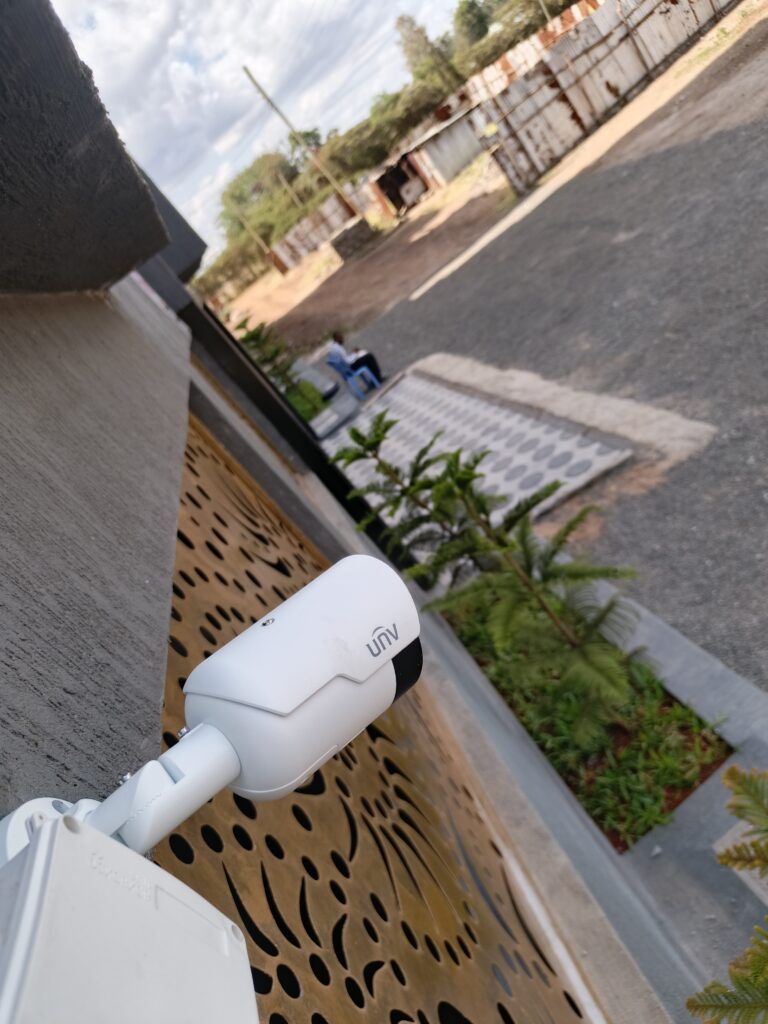
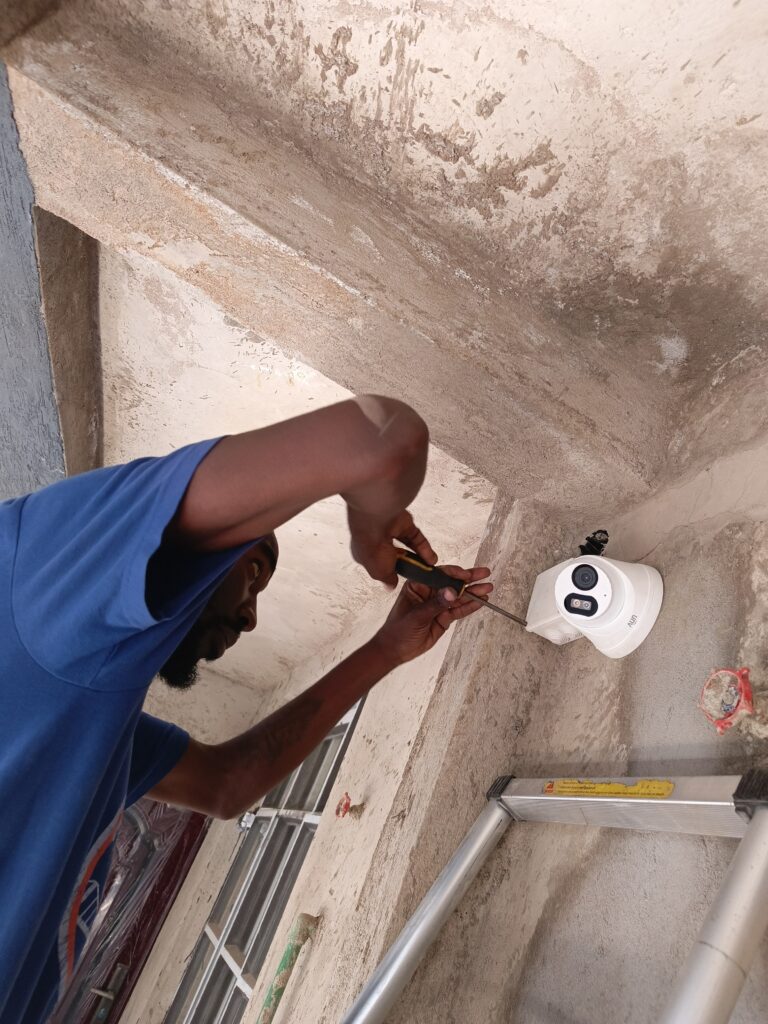
In most Kenyan environments, outdoor CCTV cameras should be mounted between 2.5 metres and 4 metres above ground level. This range provides the best balance between visibility, security, and image clarity.
At this height, cameras remain out of easy reach while still capturing identifiable facial features. Additionally, the field of view is wide enough to monitor entrances, walkways, and open spaces effectively.
Why Mounting Height Directly Affects Camera Performance.
Protection Against Interference and Theft.
First, cameras installed too low are vulnerable to tampering. In many urban and peri-urban areas, exposed cameras can be vandalised, redirected, or stolen. By installing cameras above 2.5 metres, direct interference is greatly reduced.
Furthermore, elevated placement discourages casual attempts to disable surveillance equipment.
Improved Facial Identification.
Secondly, facial recognition depends heavily on angle and height. Cameras mounted too high often capture only the top of the head, which makes identification difficult. On the other hand, cameras installed within the recommended height range capture faces at a natural angle.
As a result, recorded footage becomes far more useful for investigations and evidence.
Wider and More Balanced Coverage.
In addition to security benefits, correct height improves coverage. Proper placement allows cameras to monitor movement patterns instead of isolated points. Consequently, blind spots are reduced, and activity around the premises becomes easier to track.
Recommended Mounting Heights by Location.
Gates and Main Compound Entrances.
For residential and commercial gates, cameras should be mounted between 3 metres and 4 metres. This height captures individuals approaching the gate while keeping the camera protected.
At the same time, the camera remains high enough to avoid obstruction by vehicles or people standing close to the gate.
Shops, Offices, and Business Entrances.
At shop fronts and office entrances, a slightly lower height between 2.5 metres and 3 metres is ideal. This positioning captures clear facial images without distortion.
Moreover, customer movement and entry behaviour can be monitored without invading privacy.
Parking Areas and Driveways.
In parking areas, cameras perform best when mounted between 3.5 metres and 4 metres. Because these spaces are wider, additional height allows broader coverage of vehicles and pedestrian movement.
As a result, incidents such as theft or vandalism are easier to review.
Perimeter Walls and Fences.
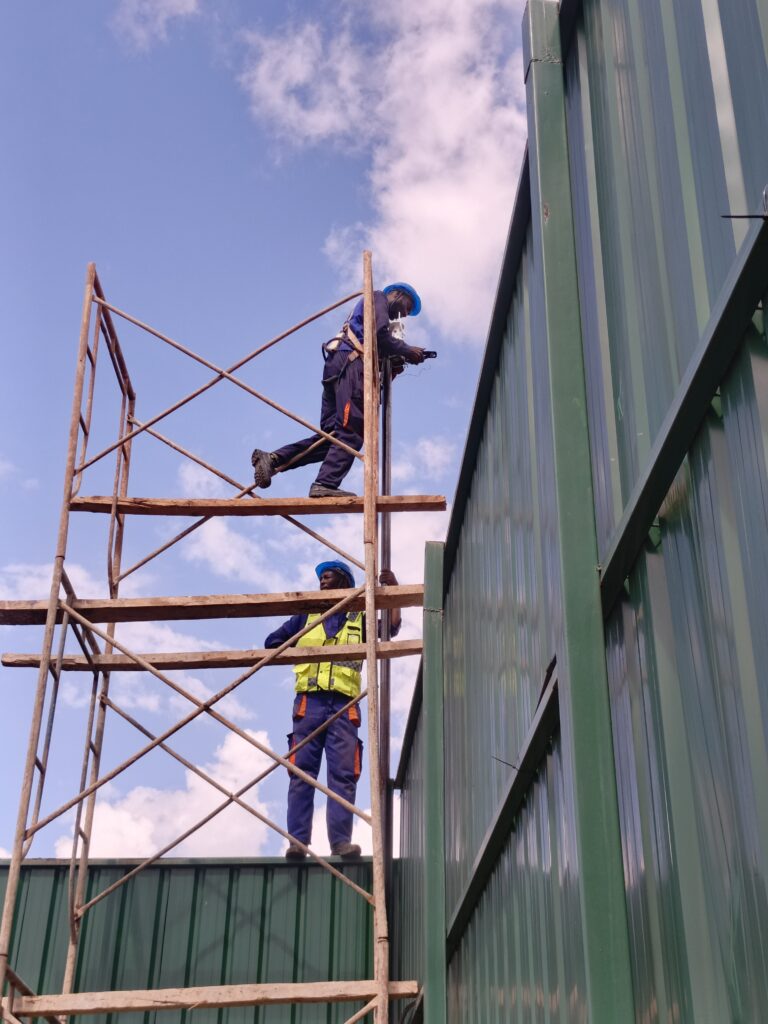
Along perimeter walls and fences, cameras should also be installed between 3 metres and 4 metres. This positioning enables early detection of intruders before they reach the building.
Additionally, elevated cameras reduce false alarms caused by pets or ground-level movement.
Camera Angle and Lens Selection Matter Equally.
Although height is important, angle plays an equally critical role. Outdoor CCTV cameras should be tilted downward between 15 and 30 degrees. This angle minimises glare while maintaining clear image depth.
Furthermore, wide-angle lenses should be used carefully. Excessive width can distort facial details, especially when cameras are mounted too high.
Avoid pointing cameras directly toward the sun or strong security lights. Otherwise, overexposure will reduce image quality during critical moments.
Environmental and Weather Considerations in Kenya.
Kenya’s climate varies widely, from heavy rainfall in some regions to intense heat and dust in others. Therefore, outdoor cameras must be weather-rated and correctly positioned.
Cameras should be mounted high enough to avoid flooding and splashing. Additionally, IP66 or IP67-rated cameras are recommended for long-term durability.
Cable protection is also essential. All outdoor cabling should be enclosed in conduits to prevent water damage and rodent interference.
Privacy and Legal Best Practices.
Although CCTV installation is legal in Kenya, privacy must be respected. Cameras should be directed only toward areas within your property.
Neighbouring compounds, private windows, and public walkways should not be unnecessarily recorded. Furthermore, employees, tenants, or visitors should be informed that CCTV surveillance is in use.
Proper positioning helps achieve security goals without violating privacy expectations.
Common Outdoor CCTV Installation Mistakes.
Many installations fail due to poor planning rather than equipment failure. Common mistakes include installing cameras below 2 metres, placing cameras too high without optical zoom, and ignoring lighting conditions.
In addition, using indoor cameras outdoors often leads to early system failure. Professional assessment prevents these avoidable errors.
Professional CCTV Installation in Kenya.
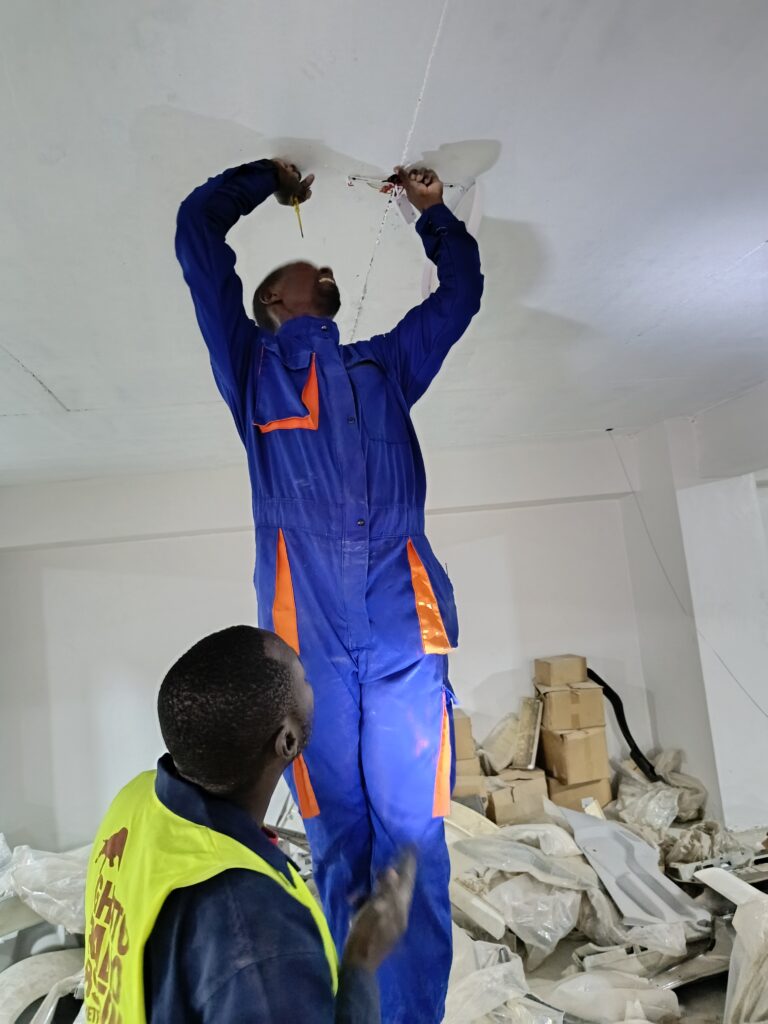
Correct camera height, angle, and placement significantly influence system effectiveness. At Ritto Technologies, outdoor CCTV cameras are installed based on property layout, security risks, and environmental factors.
Every installation is designed to deliver clear footage, reliable performance, and long-term value.
Final Thoughts.
Ultimately, the correct mounting height transforms a CCTV camera from a simple recording device into an effective security tool. When height, angle, and environment are considered together, surveillance systems perform at their best.
For property owners in Kenya, professional guidance ensures cameras are installed correctly from the start, avoiding costly adjustments later.