A Guide to School Attendance Systems in Kenya.
For generations, the familiar sight of a teacher calling out names from a thick, leather-bound register was synonymous with marking school attendance in Kenya. The chorus of “present!” echoed through classrooms, a daily ritual as old as formal education itself. But in the 21stst century, is this method still sufficient?
The answer is a resounding no. Today, schools are navigating a complex landscape of administrative efficiency, parental demands for transparency, and heightened concerns about student safety. The humble register is being rapidly supplemented and often replaced by sophisticated digital Time and Attendance Systems.

Why Move Beyond the Paper Register?
The traditional paper system, while simple, is fraught with challenges that digital solutions are designed to overcome:
- Time-Consuming: Manually taking attendance for every lesson eats into valuable teaching time.
- Prone to Error: Illegible handwriting, miscounts, and simple forgetfulness can lead to inaccurate records.
- “Buddy Punching”: Students can easily sign in for absent friends, compromising the integrity of the data.
- Delayed Communication: Parents might only discover their child’s absence at the end of the day or week, a critical delay in case of truancy or a safety issue.
- Data Silos: The information is trapped in a book, making it incredibly difficult to analyze trends, generate reports, or integrate with other school management software.
- Lack of Real-Time Insight: Administrators cannot get a live view of school-wide attendance, which is crucial for emergency management.

The Digital Evolution: Types of Attendance Systems in Kenya.
The Kenyan ed-tech market now offers a range of solutions, from basic to advanced. They can be broadly categorized as follows:
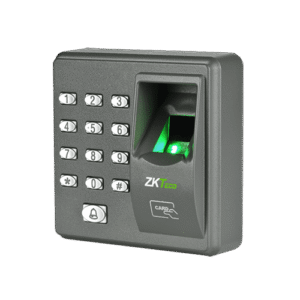
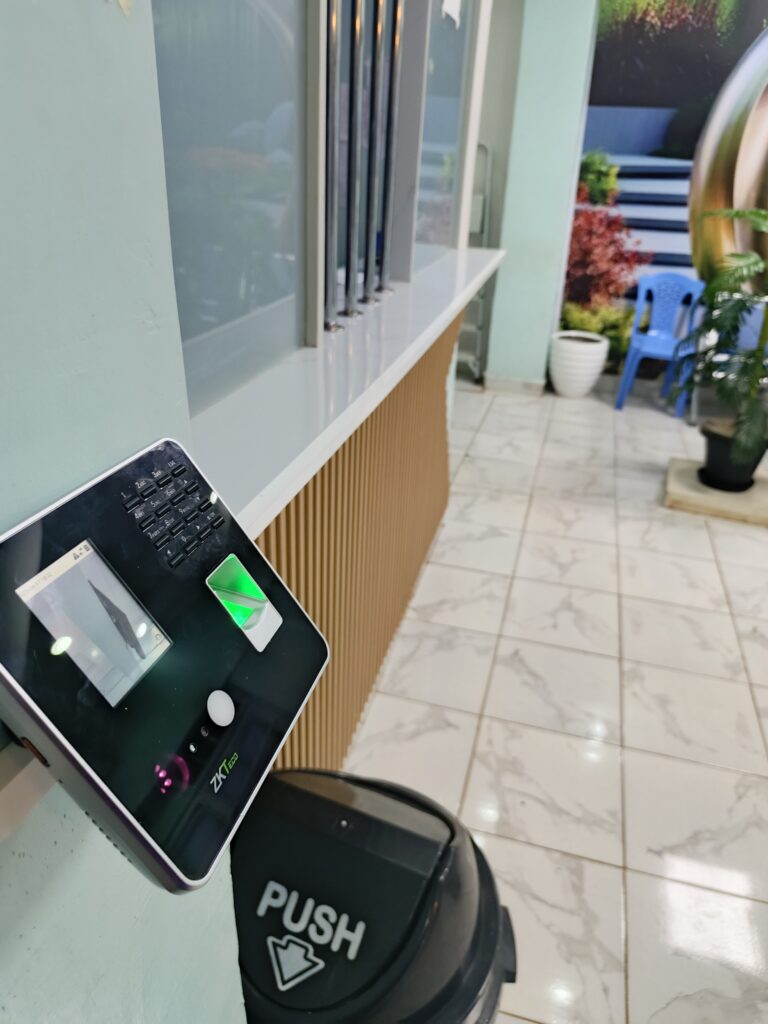
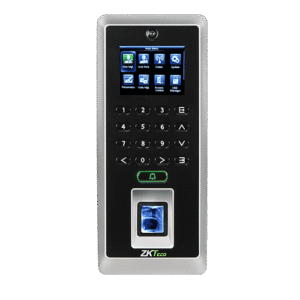
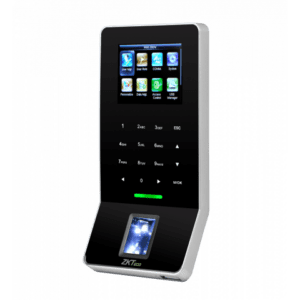
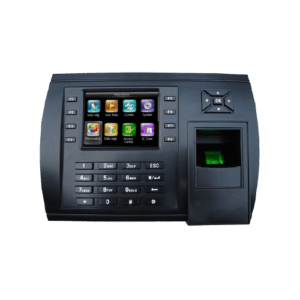
1. Biometric Systems (Fingerprint Scanners).
This is one of the most popular and established digital systems.
- How it works: Students place their finger on a scanner at the school entrance or in designated classrooms. Their unique fingerprint is matched against a pre-registered database to record their attendance instantly.
- Pros: Highly accurate, eliminates buddy punching, and is relatively affordable and widespread.
- Cons: Can create bottlenecks during high-traffic times (e.g., morning arrival). Hygiene concerns (post-COVID) and occasional failures to read worn or dirty fingerprints are minor drawbacks.
2. RFID (Radio-Frequency Identification) Card Systems.
These systems use smart ID cards or tags.
- How it works: Each student is issued an RFID card. They simply tap their card on a reader placed at strategic points to register their arrival and departure.
- Pros: Extremely fast, reducing queues. Cards are durable and can be used for other purposes like library book borrowing or cashless payments in the cafeteria.
- Cons: Cards can be lost, damaged, or, most importantly, given to another student to tap, reintroducing the possibility of proxy attendance.
3. Mobile App-Based & GPS Systems.
Leveraging the ubiquity of smartphones, this is a growing trend, especially for day schools and field trips.
- How it works: Teachers can take attendance on a tablet or smartphone using an app that is part of a broader School Management System (SMS). For higher grades, some apps allow students to check themselves in. Advanced systems can use GPS geofencing to confirm a student’s presence within the school grounds.
- Pros: Highly flexible, integrates seamlessly with other administrative functions, and is perfect for teachers moving between classrooms.
- Cons: Relies on teachers having charged devices and consistent internet connectivity. Student-based apps require them to have smartphones, which may not be feasible for all schools.
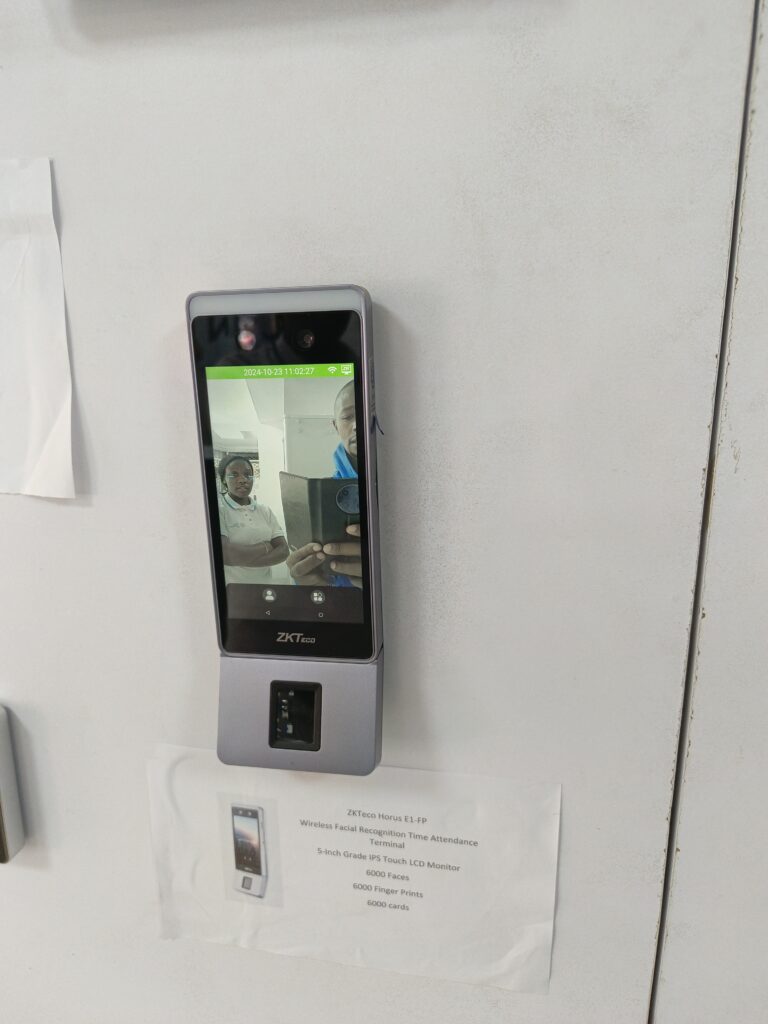
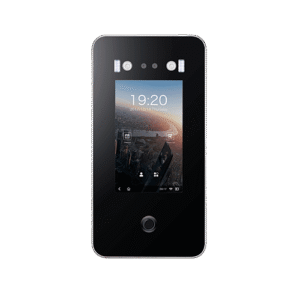
4. Facial Recognition Systems.
The cutting edge of attendance technology, though less common due to cost.
- How it works: High-resolution cameras capture a student’s face and match it against a database using advanced algorithms.
- Pros: The most contactless and hygienic method. Extremely fast and accurate with modern AI.
- Cons: The most expensive option to implement. Raises higher questions about data privacy and requires significant technical infrastructure.
The Game-Changing Benefits for Kenyan Schools.
Implementing a digital attendance system is not just about replacing paper; it’s about transforming school operations.
- Enhanced Student Safety and Security: This is the number one benefit. Real-time SMS alerts are sent to parents the moment their child is marked absent without prior notice. This immediate notification allows parents to take instant action, providing peace of mind and closing a critical safety gap.
- Boosted Administrative Efficiency: Automating attendance saves countless hours for teachers and administrative staff. Reports that used to take days to compile—termly summaries, class lists for exam registration, etc.—can be generated with a single click.
- Accurate and Actionable Data: Digital systems provide rich, analyzable data. School principals can easily identify patterns of chronic absenteeism in specific classes or individual students, allowing for early intervention and support.
- Seamless Integration: Most modern attendance systems are modules within comprehensive School Management Systems (SMS) like eSchool, Eden SMS, or Elimu. This means attendance data automatically flows into fee management modules (linking attendance to fee payment), exam grading systems, and student portfolios.
- Improved Discipline and Accountability: The elimination of “buddy punching” and the knowledge that absences are reported immediately to parents significantly reduces truancy and encourages better student discipline.
Key Considerations Before You Implement.
Choosing the right system requires careful thought:
- School Type (Boarding vs. Day): Boarding schools may need centralized scanners at dining halls or house entrances, while day schools need robust systems at the main gate.
- Internet Connectivity: Most systems require a stable internet connection to sync data and send SMS alerts. Consider solutions with offline functionality that can sync once connectivity is restored.
- Cost vs. Budget: Factor in not just the initial hardware cost (scanners, cards) but also ongoing subscription fees for the software and SMS alerts.
- Scalability: Will the system grow with your school? Can it handle an increasing number of students?
- Training and Support: Ensure the vendor provides adequate training for staff and has reliable technical support within Kenya.
- Data Privacy: Understand how the student biometric or personal data is stored, used, and protected. Compliance with Kenya’s Data Protection Act is crucial.
The Future is Integrated and Intelligent.
The future of school attendance in Kenya lies in fully integrated, intelligent systems. We are moving towards platforms where attendance data automatically triggers alerts, informs pastoral care teams, populates national education management systems like NEMIS (National Education Management Information System), and provides dashboard analytics for school boards to make data-driven decisions.
FAQs on School Time & Attendance Systems.
1. What is a digital school attendance system?
It is a technology-based solution (using biometrics, RFID cards, or apps) that automates the process of recording and managing when students and staff arrive at and depart from school, replacing the traditional paper register.
2. Why should my school move away from the paper register?
Digital systems save time, improve accuracy, prevent “buddy punching,” provide real-time data, and enhance student safety through instant parent alerts.
3. What is the most common type of attendance system used in Kenya?
Biometric fingerprint scanners are currently the most popular and widely adopted system in Kenyan schools due to their balance of cost, accuracy, and reliability.
4. How does a biometric attendance system work?
Students place their finger on a scanner at the school entrance. The system matches their unique fingerprint to a pre-registered database and instantly records their attendance.
5. Are there any health concerns with fingerprint scanners?
Post-COVID, some parents have hygiene concerns. However, the risk is minimal, and many systems now come with features like anti-bacterial coatings. RFID cards offer a contactless alternative.
6. What is an RFID card system?
Students are issued smart cards embedded with a chip. They tap these cards on a reader to register their attendance, similar to how some access cards work.
7. What happens if a student loses their RFID card?
The lost card can be deactivated in the system immediately to prevent misuse, and a new card can be issued for a small replacement fee.
8. Can’t students cheat with RFID cards by having a friend tap for them?
Yes, this is a potential drawback known as “proxy attendance.” Biometric systems are better at preventing this.
9. Do these systems work without internet?
Many modern systems have an “offline mode.” They can record attendance locally on the device and then sync the data to the cloud once internet connectivity is restored.
10. How do parents receive instant alerts?
Once a student is marked absent, the system automatically sends an SMS notification to the parent’s or guardian’s registered mobile number. This is a key feature for safety.
11. Are these alerts reliable?
Yes, they are highly reliable and are triggered instantly by the software, eliminating the delay and potential human error of a staff member having to make a phone call.
12. How much does a basic system cost?
Costs vary widely based on features and school size. A basic system for a small school can start from a few thousand Kenyan shillings per month for a software subscription, plus hardware costs.
13. What are the ongoing costs?
Costs typically include software subscription fees, SMS alert bundles, and occasional maintenance or support contracts.
14. Can the system be integrated with other school software?
Absolutely. Most attendance systems are modules within larger School Management Systems (SMS) that also handle fees, exams, timetabling, and reporting.
15. Will it integrate with NEMIS?
Advanced School Management Systems are increasingly offering integration with NEMIS (National Education Management Information System) to automate the uploading of attendance data as required by the Ministry of Education.
16. Is student data safe and private?
Reputable vendors comply with Kenya’s Data Protection Act. Student biometric and personal data is encrypted and stored securely. It’s crucial to ask vendors about their data privacy policy.
17. What happens during a power blackout?
Most devices have a battery backup that can last several hours. Furthermore, systems with offline mode will continue to record data and sync once power returns.
18. How long does it take to implement such a system?
Implementation can be very quick—often within a day or two for the hardware setup and student registration (enrolling fingerprints or issuing cards).
19. Do teachers require special training?
The systems are designed to be user-friendly. Vendors usually provide basic training for staff, which typically takes less than an hour.
20. What if the scanner doesn’t read a student’s fingerprint?
This can happen with worn or dirty fingers. Administrators can usually override and manually mark the student as present. RFID cards are a good alternative for such cases.
21. Can the system track attendance for individual classes, not just morning arrival?
Yes, advanced systems allow for period-by-period attendance tracking. Teachers can use a central scanner or a mobile app to mark attendance for each lesson.
22. Can it track teacher and staff attendance as well?
Yes, definitely. The same system can be used to accurately record the arrival and departure times of all teaching and non-teaching staff.
23. How does it help with fee management?
Some schools link attendance to fee payment. The system can generate reports showing attendance history, which can be useful for following up with parents who have fee arrears.
24. Can we generate reports for entire terms?
Yes, one of the biggest advantages is the ability to generate comprehensive reports—daily, weekly, monthly, or for an entire term—with a single click, showing individual or class-wide attendance trends.
25. What is the best system for a large school?
Biometric or RFID systems are ideal for large schools as they are fast and can handle high traffic. Multiple scanners can be placed at different gates to avoid bottlenecks.
26. What is the best system for a small school?
A mobile app-based system can be very cost-effective for a small school, as it may not require significant hardware investment beyond a tablet or smartphone.
27. Are there systems that use facial recognition?
Yes, facial recognition systems are available but are less common due to their higher cost. They represent the most advanced and contactless technology.
28. Who do we contact if the system has a technical problem?
Your vendor should provide reliable technical support. Ensure they have a Kenyan-based support team you can call or email for quick troubleshooting.
29. Can we try a system before buying it?
Many reputable vendors offer free demonstrations and trial periods for schools to test the system’s suitability before making a financial commitment.
30. How do we convince parents and the board to invest in this?
Emphasize the major benefits: enhanced student safety (instant alerts), improved administrative efficiency (saving teachers’ time), and data-driven decision-making (addressing absenteeism proactively). Frame it as an investment in security and modern education management.
 Get A Quote On Whatsapp
Biometric Fingerprint Access Control System Kit
Biometric Access Control Installation- Get A Quote On Whatsapp
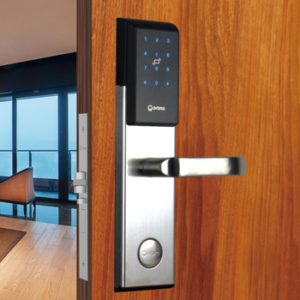
Hotel Smart Card Door Lock System.
Biometric Access Control Installation - Get A Quote On Whatsapp
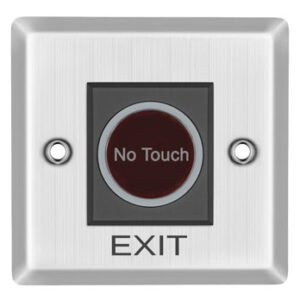
No Touch Biometric Exit Button
Biometric Access Control Installation - Get A Quote On Whatsapp
Portable School Bus Biometric Time Attendance System in Kenya
Biometric Systems - Get A Quote On Whatsapp
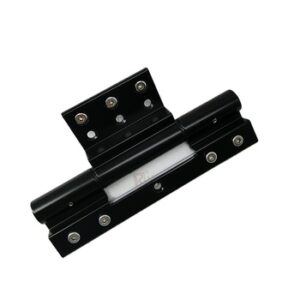
Self-Closing Aluminum Door Hinges with Smart Lock
Biometric Access Control Installation - Get A Quote On Whatsapp
SenseFace 2A Biometric Access Control System
Biometric Access Control Installation - Get A Quote On Whatsapp
Smart Biometric Door Knob with Mobile App Access
Biometric Access Control Installation - Get A Quote On Whatsapp
Smart Door Remote Access Handle
Biometric Accessories - Get A Quote On Whatsapp
ZKTeco BR1200 Standalone QR Code Biometric Access Control
Biometric Access Control Installation - Get A Quote On Whatsapp
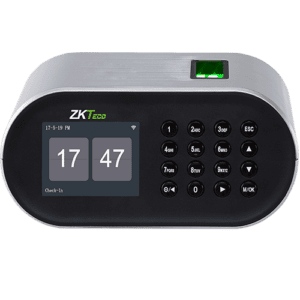
ZKTeco D1 Tabletop Biometric Fingerprint Time Attendance.
Biometric Access Control Installation - Get A Quote On Whatsapp
ZKTeco D3 Multi-Biometric Time Attendance Terminal
Biometric Access Control Installation - Get A Quote On Whatsapp
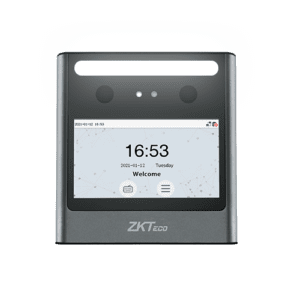
Zkteco EFace10 Facial Recognition Time Attendance Terminal
Biometric Access Control Installation - Get A Quote On Whatsapp
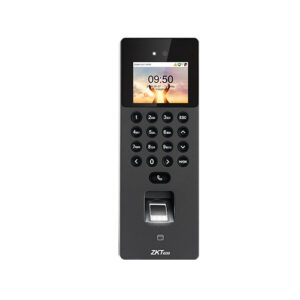
ZKTeco F18 Biometric Fingerprint Standalone Access Control
Biometric Access Control Installation - Get A Quote On Whatsapp
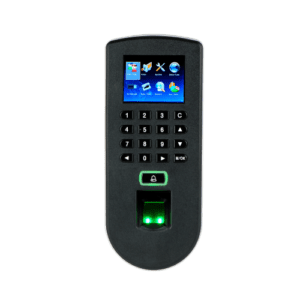
ZKTeco F19 Biometric Fingerprint Access Control
Biometric Access Control Installation - Get A Quote On Whatsapp
ZKTeco F21 Biometric Fingerprint RFID Door Access Control
Biometric Access Control Installation - Get A Quote On Whatsapp
ZKTeco F22 Door Biometric Fingerprint Access Control
Biometric Systems - Get A Quote On Whatsapp
ZKTeco FaceDepot-7A Fingerprint Biometrics Device
Biometric Access Control Installation - Get A Quote On Whatsapp
ZKTeco FaceDepot-7BL Face – Palm Recognition Biometric
Biometric Access Control Installation - Get A Quote On Whatsapp
ZKTeco Horus Advanced Facial Recognition Access Control
Biometric Access Control Installation - Get A Quote On Whatsapp
ZKTeco iClock S900 Fingerprint Time Attendance Terminal
Biometric Access Control Installation  Get A Quote On Whatsapp
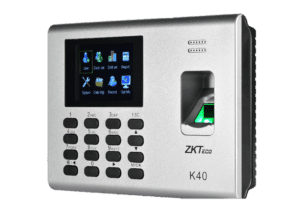
ZKTeco K40 Time Attendance Terminal
Biometric Access Control Installation- Get A Quote On Whatsapp
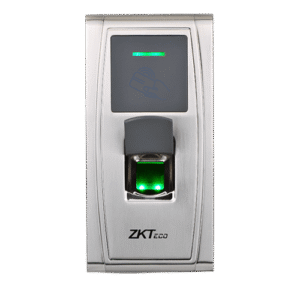
ZKTeco MA300 Outdoor Biometric Door Access Control.
Biometric Access Control Installation - Get A Quote On Whatsapp
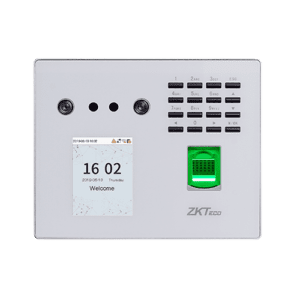
ZKTeco MB560-VL Multi-Biometric Time Attendance Terminal
Biometric Access Control Installation - Get A Quote On Whatsapp
ZKTeco MultiBio 600 Time and Attendance Biometric
Biometric Access Control Installation - Get A Quote On Whatsapp
Zkteco P160 Multi-Biometric Time Attendance
Biometric Access Control Installation - Get A Quote On Whatsapp
ZKTeco PA10 Palm & Fingerprint Hybrid Biometric Terminal
Biometric Access Control Installation - Get A Quote On Whatsapp
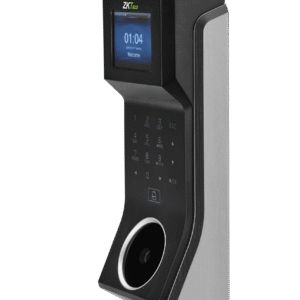
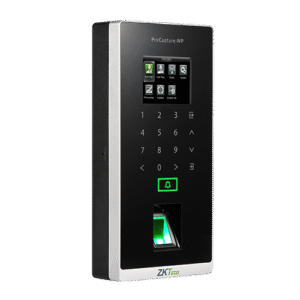
ZKTeco ProCapture Outdoor Biometric Access Control
Biometric Access Control Installation - Get A Quote On Whatsapp
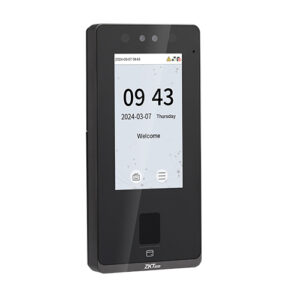
ZKTeco ProFace X [P] Advanced Facial Palm Time Attendance
Biometric Access Control Installation - Get A Quote On Whatsapp
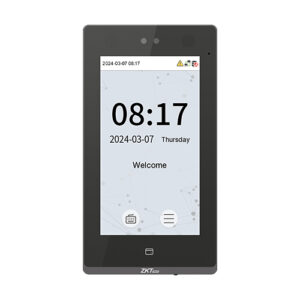
ZKTeco ProFace X [TI] Face & Palm Recognition Security System
Biometric Access Control Installation - Get A Quote On Whatsapp
ZKTeco S922 Rugged Portable Biometric Time Attendance Terminal
Biometric Systems - Get A Quote On Whatsapp
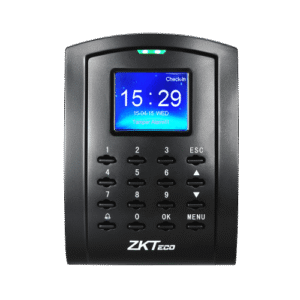
ZKTeco SC105 RFID Door Access Control Terminal
Biometric Access Control Installation - Get A Quote On Whatsapp
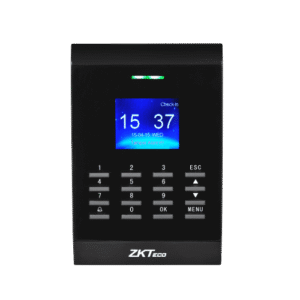
ZKTeco SC405 RFID Door Access Control Terminal.
Biometric Access Control Installation - Get A Quote On Whatsapp
ZKTeco SenseFace 3 Series AI-Based Facial Fingerprint Access
Biometric Access Control Installation - Get A Quote On Whatsapp
ZKTeco SenseFace 3A AI-Based Biometric Access System
Biometric Access Control Installation - Get A Quote On Whatsapp
ZKTeco SenseFace 4 Series AI-Based Biometric System
Biometric Access Control Installation - Get A Quote On Whatsapp
ZKTeco SenseFace 7 Series AI-Based Facial Fingerprint Biometric
Biometric Access Control Installation - Get A Quote On Whatsapp
ZKTeco SF100 Fingerprint Access Control
Biometric Access Control Installation - Get A Quote On Whatsapp
ZKTeco SF100 Fingerprint Door Access Control
Biometric Access Control Installation - Get A Quote On Whatsapp
ZKTeco SF300 Fingerprint Access Control
Biometric Access Control Installation - Get A Quote On Whatsapp
ZKTeco SpeedFace H5L Facial Recognition Biometric
Biometric Access Control Installation - Get A Quote On Whatsapp
ZKTeco SpeedFace M4 Time Attendance & Access Control
Biometric Access Control Installation - Get A Quote On Whatsapp
ZKTeco SpeedFace Mini Facial Indoor Time Attendance
Alarm Installation - Get A Quote On Whatsapp
ZKTeco SpeedFace V4L Pro Biometric Facial Recognition Terminal
Biometric Access Control Installation - Get A Quote On Whatsapp
ZKTeco SpeedFace V5L [TI] Face Access Control with Thermal Imager
Biometric Access Control Installation - Get A Quote On Whatsapp
ZKTeco SpeedFace-V3L Facial Fingerprint Access Control
Biometric Access Control Installation - Get A Quote On Whatsapp
ZKTeco SpeedFace-V4L – Face & Palm Recognition Biometric
Biometric Access Control Installation - Get A Quote On Whatsapp
ZKTeco UFace 800 Biometric Face Recognition Time Attendance
Biometric Access Control Installation - Get A Quote On Whatsapp
ZKTeco X7 Fingerprint Door Access Control Terminal
Biometric Access Control Installation








![ZKTeco ProFace X [P] Advanced Facial Palm Time Attendance](https://rittotechnologies.co.ke/wp-content/uploads/2025/08/ZKTeco-ProFace-X-P-Advanced-Facial-and-Palm-Recognition-Terminal-–-Supply-and-Installation-in-Kenya-300x300.png)
![ZKTeco ProFace X [TI] Face & Palm Recognition Security System](https://rittotechnologies.co.ke/wp-content/uploads/2025/08/ZKTeco-ProFace-X-TI-Face-Palm-Recognition-Security-System-–-Supply-and-Installation-in-Kenya-300x300.png)



![ZKTeco SpeedFace V5L [TI] Face Access Control with Thermal Imager](https://rittotechnologies.co.ke/wp-content/uploads/2025/08/ZKTeco-SpeedFace-V5L-TI-Face-Access-Control-with-Thermal-Imager-Installation-in-Kenya-300x300.jpg)