The Best Time Attendance Software to Use in Kenya: A 2026 Buyer’s Guide.
Choosing the perfect time attendance software in Kenya can dramatically transform your daily operations. Today’s advanced systems do much more than simply track hours; instead, they integrate with your entire workflow to boost productivity, ensure strict compliance, and strengthen overall security. This comprehensive guide will help you identify the most effective solutions for Kenyan businesses. More importantly, it will show you the essential factors to consider when making this critical investment.
Why Kenyan Businesses Need Advanced Time Attendance Solutions.
Manual time tracking methods are becoming increasingly obsolete in our competitive digital landscape. For example, paper registers and basic punch clocks often lead to costly errors, time theft, and significant administrative burdens. For Kenyan companies in particular, the right software must address specific local challenges while delivering a measurable return on investment.

Fortunately, modern systems deliver three crucial benefits for Kenyan organizations. Firstly, they ensure regulatory compliance by automatically applying Kenya’s labor laws to overtime calculations and leave management. Secondly, they provide exceptional payroll accuracy, which eliminates errors in NHIF and NSSF contribution calculations. Finally, they boost operational efficiency and can reduce administrative workload by up to 90% according to recent industry data.
 Get A Quote On Whatsapp
SenseFace 2A Biometric Access Control System
Biometric Access Control Installation- Get A Quote On Whatsapp
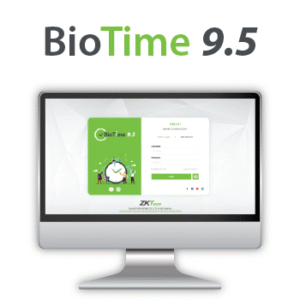
ZKBioTime 9.5 Time Attendance Management Web based System
Hotels Biometrics Management Software - Get A Quote On Whatsapp
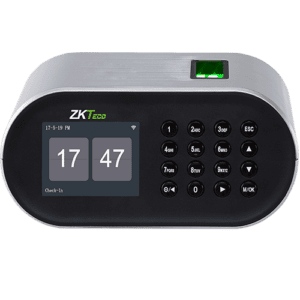
ZKTeco D1 Tabletop Biometric Fingerprint Time Attendance.
Biometric Access Control Installation - Get A Quote On Whatsapp
ZKTeco D3 Multi-Biometric Time Attendance Terminal
Biometric Access Control Installation - Get A Quote On Whatsapp
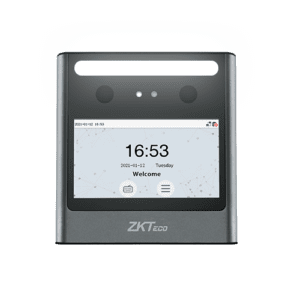
Zkteco EFace10 Facial Recognition Time Attendance Terminal
Biometric Access Control Installation - Get A Quote On Whatsapp
ZKTeco FaceDepot-7A Fingerprint Biometrics Device
Biometric Access Control Installation - Get A Quote On Whatsapp
ZKTeco FaceDepot-7BL Face – Palm Recognition Biometric
Biometric Access Control Installation - Get A Quote On Whatsapp
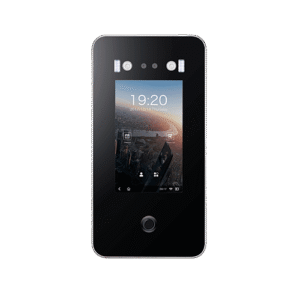
ZKTeco Horus Advanced Facial Recognition Access Control
Biometric Access Control Installation - Get A Quote On Whatsapp
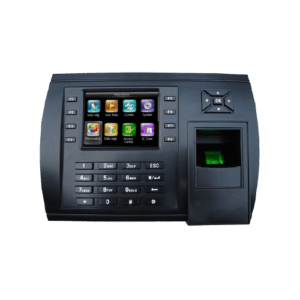
ZKTeco iClock S900 Fingerprint Time Attendance Terminal
Biometric Access Control Installation  Get A Quote On Whatsapp
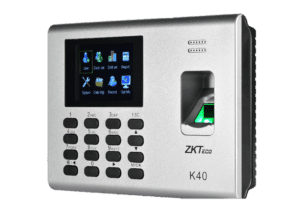
ZKTeco K40 Time Attendance Terminal
Biometric Access Control Installation- Get A Quote On Whatsapp
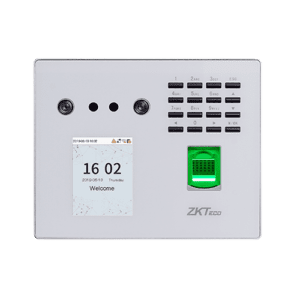
ZKTeco MB560-VL Multi-Biometric Time Attendance Terminal
Biometric Access Control Installation - Get A Quote On Whatsapp
ZKTeco MultiBio 600 Time and Attendance Biometric
Biometric Access Control Installation - Get A Quote On Whatsapp
Zkteco P160 Multi-Biometric Time Attendance
Biometric Access Control Installation - Get A Quote On Whatsapp
ZKTeco PA10 Palm & Fingerprint Hybrid Biometric Terminal
Biometric Access Control Installation - Get A Quote On Whatsapp
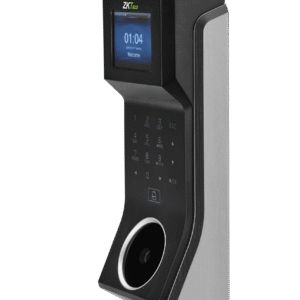
ZKTeco ProFace X [P] Advanced Facial Palm Time Attendance
Biometric Access Control Installation - Get A Quote On Whatsapp
ZKTeco ProFace X [TI] Face & Palm Recognition Security System
Biometric Access Control Installation - Get A Quote On Whatsapp
ZKTeco S922 Rugged Portable Biometric Time Attendance Terminal
Biometric Systems - Get A Quote On Whatsapp
ZKTeco SenseFace 3A AI-Based Biometric Access System
Biometric Access Control Installation - Get A Quote On Whatsapp
ZKTeco SenseFace 4 Series AI-Based Biometric System
Biometric Access Control Installation - Get A Quote On Whatsapp
ZKTeco SenseFace 7 Series AI-Based Facial Fingerprint Biometric
Biometric Access Control Installation - Get A Quote On Whatsapp
ZKTeco SpeedFace H5L Facial Recognition Biometric
Biometric Access Control Installation - Get A Quote On Whatsapp
ZKTeco SpeedFace M4 Time Attendance & Access Control
Biometric Access Control Installation - Get A Quote On Whatsapp
ZKTeco SpeedFace Mini Facial Indoor Time Attendance
Alarm Installation - Get A Quote On Whatsapp
ZKTeco SpeedFace V4L Pro Biometric Facial Recognition Terminal
Biometric Access Control Installation - Get A Quote On Whatsapp
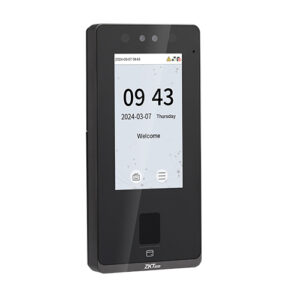
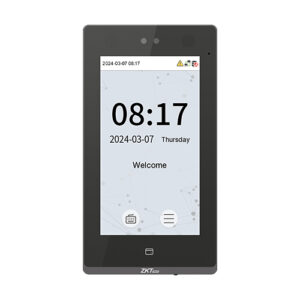
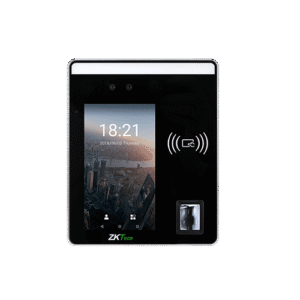
ZKTeco SpeedFace V5L [TI] Face Access Control with Thermal Imager
Biometric Access Control Installation - Get A Quote On Whatsapp
ZKTeco SpeedFace-V3L Facial Fingerprint Access Control
Biometric Access Control Installation - Get A Quote On Whatsapp
ZKTeco SpeedFace-V4L – Face & Palm Recognition Biometric
Biometric Access Control Installation - Get A Quote On Whatsapp
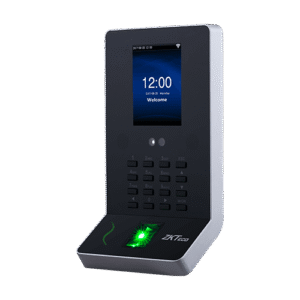
ZKTeco UFace 800 Biometric Face Recognition Time Attendance
Biometric Access Control Installation




![ZKTeco ProFace X [P] Advanced Facial Palm Time Attendance](https://rittotechnologies.co.ke/wp-content/uploads/2025/08/ZKTeco-ProFace-X-P-Advanced-Facial-and-Palm-Recognition-Terminal-–-Supply-and-Installation-in-Kenya-300x300.png)
![ZKTeco ProFace X [TI] Face & Palm Recognition Security System](https://rittotechnologies.co.ke/wp-content/uploads/2025/08/ZKTeco-ProFace-X-TI-Face-Palm-Recognition-Security-System-–-Supply-and-Installation-in-Kenya-300x300.png)




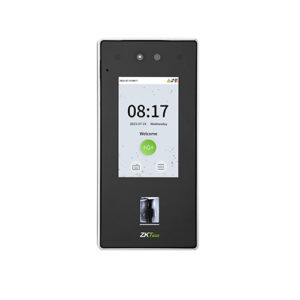
![ZKTeco SpeedFace V5L [TI] Face Access Control with Thermal Imager](https://rittotechnologies.co.ke/wp-content/uploads/2025/08/ZKTeco-SpeedFace-V5L-TI-Face-Access-Control-with-Thermal-Imager-Installation-in-Kenya-300x300.jpg)


Essential Features of Top-Tier Time Attendance Software.
When evaluating options in the Kenyan market, you should prioritize several critical capabilities. These features effectively separate basic systems from truly transformative solutions.
Multi-Method Biometric Verification.
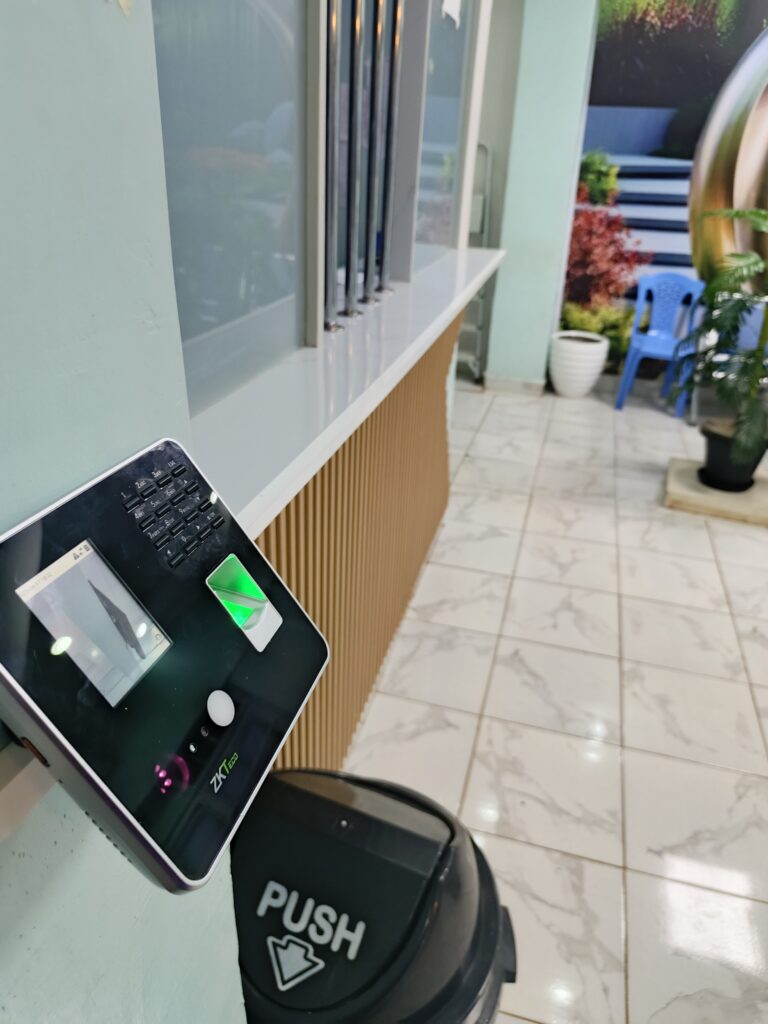
The best platforms support multiple verification methods within a single system, including fingerprint, facial recognition, RFID cards, and mobile authentication. Consequently, this flexibility allows manufacturing plants to use durable fingerprint scanners, while corporate offices can implement touchless facial recognition for enhanced hygiene and convenience.
Real-Time Cloud Management.
Modern solutions typically offer web-based dashboards that are accessible from any internet-connected device. For instance, imagine your HR manager in Nairobi seamlessly monitoring real-time attendance across branches in Mombasa, Kisumu, and Nakuru. Simultaneously, they can approve leave requests and generate compliance reports without ever opening a spreadsheet.
Integrated Access Control.
Leading systems wisely combine time tracking with physical security. When employees verify their identity at entry points, the system simultaneously records their attendance and grants building access. As a result, this integration creates tamper-proof audit trails that show exactly who accessed which areas and when, thereby significantly enhancing your security protocols.
Advanced Reporting and Analytics.
The right software should transform raw data into actionable business intelligence. Specifically, it must generate automated reports on attendance patterns, overtime trends, absenteeism rates, and project-based labour costs. Therefore, look for solutions that offer predictive analytics to help forecast staffing needs based on historical data and projected workload.
Scalable Architecture.
Your chosen platform must be able to grow alongside your business. In other words, whether you have 50 employees today or plan to expand to 5,000, the system should scale seamlessly without requiring expensive hardware replacements or complex migrations.
Key Selection Criteria for Kenyan Companies.
Beyond core features, you must also consider several practical factors when choosing time attendance software in Kenya.
Local Compliance Capabilities.
First, ensure the system thoroughly understands Kenya’s Employment Act. It must handle maximum working hours and overtime calculations correctly. Additionally, it should manage leave entitlements and accruals properly. Moreover, it must accommodate all statutory deduction requirements for NHIF and NSSF. Finally, it should generate reporting formats that are fully acceptable to Kenyan labour authorities.
Infrastructure Compatibility.
Next, seriously consider Kenya’s unique connectivity landscape. Ideally, the best solutions offer offline functionality that syncs automatically when the internet is restored. They should also provide mobile-friendly interfaces for areas with better mobile than fixed-line connectivity. Furthermore, they must include power backup considerations for regions with intermittent electricity supply.
Implementation and Support.
When evaluating providers, prioritize those with local implementation teams who are intimately familiar with Kenyan business environments. Also, look for comprehensive training programs available in both English and Swahili. Choose a provider with responsive local support that understands Kenyan working hours and holidays. Most importantly, ensure they have clear escalation paths for resolving technical issues promptly.
Implementation Best Practices.
Successfully deploying new time attendance software requires meticulous planning and a structured approach.
Begin with a thorough needs assessment. Specifically, document your current processes, identify pain points, and list specific requirements before evaluating any solutions.
Following this, ensure genuine stakeholder engagement by involving HR, IT, finance, and department heads from the very beginning.
For a smoother transition, consider a phased rollout. A practical method is to pilot the system with one department before committing to company-wide implementation.
Additionally, invest seriously in change management. Prepare your employees through clear communication about the benefits and by providing proper, hands-on training.
Finally, create a robust data migration plan to ensure all historical data transfers accurately, thereby maintaining complete records continuity.
Cost Considerations and ROI.
While pricing varies significantly between providers, you should carefully consider all value factors.
Account for all implementation costs, including installation, configuration, and data migration. Then, factor in ongoing subscription fees for monthly or annual software licensing. Also, budget for the necessary hardware investment in biometric devices and access control readers. Furthermore, include training expenses for both initial and ongoing user education. Lastly, plan for support costs such as maintenance agreements and technical support packages.
To calculate your potential ROI, start by estimating savings in several key areas. Consider the reduction in payroll processing time. Then, account for decreased payroll errors and their associated costs. Also, factor in lowered administrative overhead. Additionally, evaluate the financial benefit of improved compliance and reduced penalty risks. Finally, measure the enhanced productivity that comes from better workforce management.
Common Implementation Pitfalls to Avoid.
Kenyan businesses should be particularly vigilant to avoid these frequent challenges.
First, avoid underestimating connectivity requirements. You must ensure your internet infrastructure can adequately handle the system’s demands.
Second, never neglect employee buy-in. Always address concerns about privacy and monitoring with complete transparency.
Third, never overlook local regulations. Always verify that the system fully accommodates Kenya’s specific labour laws.
Fourth, beware of choosing inflexible solutions. Instead, select platforms that can adapt gracefully as your business evolves.
Fifth, never skip proper training. Consistently invest adequate time in user education to maximize adoption and system utilization.
The Future of Time Attendance in Kenya.
Several emerging trends are poised to shape the market in the coming years.
Artificial Intelligence will soon enable predictive analytics for superior staffing optimization. Meanwhile, the Internet of Things will allow deeper integration with other workplace systems and sensors. Concurrently, Advanced Biometrics will introduce behavioral recognition and enhanced security protocols. Furthermore, Mobile-First Solutions will drive increased reliance on smartphone-based verification. Finally, Blockchain Verification will create immutable audit trails for bulletproof compliance documentation.
Making Your Final Decision.
Selecting the best time attendance software requires a careful balance of several factors. You must weigh features against cost and ensure compatibility with your specific business context. Ultimately, the ideal solution should feel intuitive for employees while providing powerful, actionable insights for management.
Therefore, prioritize vendors with proven experience in the Kenyan market. These providers should understand both the technological landscape and the regulatory environment. Subsequently, request detailed demonstrations using your actual business scenarios. Additionally, speak directly with existing customers in similar industries to gauge real-world performance.
Remember that the most sophisticated system is only effective if your team uses it consistently and correctly. In fact, employee adoption ultimately determines the success of any technological investment.
Next Steps for Kenyan Businesses.
To begin your evaluation process, start with several key actions.
First, comprehensively document your specific requirements and pain points. Second, research vendors who demonstrate a strong Kenyan market presence and proven success. Third, schedule live demonstrations with all your key decision-makers present. Fourth, request trial periods or pilot programs wherever possible to test the software in your environment. Fifth, thoroughly check references from similar Kenyan organizations to validate performance claims.
In conclusion, the right time attendance software represents far more than a simple technological upgrade. Indeed, it is a strategic investment in operational excellence, regulatory compliance, and long-term workforce optimization. By choosing wisely, Kenyan businesses can gain significant competitive advantages in an increasingly demanding marketplace.
Take the first step toward transformation today by honestly assessing your current time tracking challenges. Then, begin constructive conversations with solution providers who genuinely understand the unique needs of Kenyan enterprises. The substantial efficiency gains, considerable cost savings, and robust compliance benefits await all forward-thinking organizations that are ready to embrace modern workforce management technology.
Here are 40 (Frequently Asked Questions) with answers about employee time attendance systems for Kenyan businesses:
Time Attendance FAQs
1. What is employee time attendance software?
Employee time attendance software is a digital system that automates the tracking of when employees start and end their workdays, replacing manual methods like paper registers.
2. Why should Kenyan businesses use automated time attendance systems?
They ensure accurate payroll processing, compliance with Kenyan labor laws, reduce administrative workload, and eliminate time theft or “buddy punching.”
3. What’s wrong with using manual registers or punch cards?
Manual methods are prone to errors, fraud, and data loss. They also create massive administrative work during payroll processing.
4. Is time attendance software only for large companies?
No. Businesses of all sizes benefit from accurate time tracking, reduced errors, and saved administrative time, making it valuable for even small teams.
5. How does this software help with Kenyan labour laws?
It automatically applies rules regarding working hours, overtime calculations, and leave accruals as per the Employment Act, ensuring compliance.
6. What is biometric time attendance?
Biometric systems use unique physical traits like fingerprints or facial features to verify identity, ensuring the person clocking in is actually the employee.
7. What’s better: fingerprint or facial recognition?
Fingerprint is cost-effective and highly accurate. Facial recognition is touchless, faster, and more hygienic—ideal for high-traffic areas like offices or hospitals.
8. Can employees clock in using their mobile phones?
Yes. Modern systems support mobile clock-in via secure apps with GPS or geofencing features, perfect for field staff or remote workers.
9. What does “real-time monitoring” mean?
Managers and HR can see live data on who is present, late, or absent from a dashboard, allowing immediate responses to staffing issues.
10. Can the system work without internet?
Yes. Quality systems store data locally on the device during outages and sync automatically to the cloud once connectivity is restored.
11. How does it prevent “buddy punching”?
Biometric verification ensures only the actual employee can clock in or out, eliminating the possibility of friends signing in for one another.
12. What is an integrated access control system?
This means the same device (like a fingerprint reader on a door) both records attendance and unlocks the door, merging security and time tracking.
13. Can I manage multiple branches from one system?
Absolutely. Cloud-based systems centralize data, so you can manage attendance across Nairobi, Mombasa, or other branches from a single dashboard.
14. How long does it take to install a time attendance system?
For a standard single-location setup, installation and configuration typically take 3-5 business days.
15. Do you provide training for our staff?
Yes. Reputable providers like Ritto Technologies include comprehensive training for both administrators and end-users.
16. What if we already have some hardware?
Many systems are compatible with existing hardware. An assessment can determine what can be integrated and what needs upgrading.
17. Can the system be customized for our specific work shifts?
Yes. You can configure complex shift patterns, night shifts, flexible hours, and break rules to match your exact operations.
18. How are employees enrolled into the system?
Your team is registered by capturing their biometric data (fingerprint/face) or issuing RFID cards, a quick process done on-site.
19. What kind of reports can the system generate?
Automated reports include daily attendance, overtime summaries, absenteeism, late arrivals, and project-based labour costs.
20. How does it simplify payroll processing?
It automatically calculates total hours worked, overtime, and deductions, exporting clean data directly to your payroll software or spreadsheet.
21. Can employees apply for leave through the system?
Yes. Most platforms include self-service portals where employees can submit leave requests, which managers approve digitally.
22. Can I get alerts for specific events?
Yes. You can set up instant SMS or email alerts for events like unauthorized access attempts, overtime thresholds, or when key staff are late.
23. How does it handle overtime calculations?
You define your overtime rules (e.g., 1.5x after 40 hours). The system automatically flags and calculates overtime based on clocked hours.
24. How much does a time attendance system cost in Kenya?
Costs vary based on features and scale, ranging from a one-time hardware/software purchase to a monthly per-user subscription model.
25. Are there ongoing costs?
Cloud-based systems often have an annual subscription covering updates, support, and cloud storage. Maintenance agreements are also common.
26. What is the typical return on investment (ROI)?
Businesses often see ROI within 6-12 months through payroll error reduction, saved administrative time, and eliminated time theft.
27. Does it reduce payroll errors?
Dramatically. Automated calculation removes human error, ensuring employees are paid accurately for hours worked.
28. Is biometric data safe? How is it stored?
Yes. Reputable systems encrypt biometric data, storing it as a mathematical template that cannot be reverse-engineered into a fingerprint image.
29. Is the system compliant with Kenya’s Data Protection Act?
Quality providers design systems with data privacy by design, ensuring compliance with local data protection regulations.
30. Can the system be hacked?
Enterprise-grade systems use strong encryption for data transmission and storage, making unauthorized access extremely difficult.
31. How long is attendance data stored?
Data is typically stored for several years to comply with labour record-keeping requirements, securely archived in the cloud.
32. Does it help with NHIF and NSSF compliance?
Yes. By providing accurate records of hours worked and pay, it forms the correct foundation for calculating statutory deductions.
33. What happens if a device breaks down?
Providers offer warranty replacements and maintenance services. Many systems also allow temporary manual logging while devices are repaired.
34. Do you offer local technical support in Kenya?
Yes. Choosing a local provider like Ritto Technologies ensures you have access to prompt, on-the-ground technical support and spare parts.
35. How often is the software updated?
Cloud-based systems receive automatic updates with new features and security patches, typically several times per year.
36. Can we add more users or devices later?
Yes. Scalable systems allow you to easily add more employees and terminals as your business grows.
37. Can it handle 24/7 shift rotations for manufacturing?
Yes. The system can manage continuous shift patterns with complex rotations, including night shifts and handover periods.
38. Is it suitable for healthcare facilities like hospitals?
Absolutely. Features like touchless facial recognition, strict access control for sensitive areas, and round-the-clock shift management are ideal for healthcare.
39. Can it track attendance for construction sites?
Yes. Rugged, weatherproof terminals and mobile clock-in options work well for dynamic environments like construction sites.
40. Why should we choose Ritto Technologies?
With deep experience in the Kenyan market, we provide end-to-end solutions: expert consultation, quality hardware, professional installation, comprehensive training, and reliable local support tailored to your business needs.