How Hospital Nurse Call Systems Work in Kenya – A Complete Guide
How Hospital Nurse Call Systems Work in Kenya. In the fast-paced environment of a modern hospital, seamless communication is not just a convenience—it’s a critical component of patient safety and care quality. For healthcare facilities across Nairobi and Kenya, implementing a robust Nurse Call System is a fundamental step towards achieving operational excellence. These systems bridge the vital gap between patients and caregivers, ensuring that requests for assistance are communicated instantly, clearly, and efficiently.
At Ritto Technologies, we are at the forefront of this communication revolution. We specialize in the supply, installation, and maintenance of both reliable traditional systems and cutting-edge Smart Ward IoT Nurse Call solutions. This comprehensive guide will explain how these systems function, their core components, and their indispensable role in modern Kenyan healthcare.
1. What Is a Nurse Call System?
A Nurse Call System is a dedicated communication network installed within a healthcare facility, primarily designed to allow patients to summon help from nursing staff with minimal effort. It transforms a simple action—like pressing a button—into a coordinated alert that reaches the right personnel through visual, audible, and often textual notifications.
In essence, it serves as the nervous system of a hospital ward, connecting every patient bed and bathroom to a central monitoring point and staff on the move. Nairobi hospitals typically deploy two main technological tiers to meet varying needs and budgets.
Traditional Wired Nurse Call Systems, such as the ETR 2-wire or 4-wire series, are renowned for their durability and straightforward operation. They form a hardwired network where signals travel through dedicated cables, offering exceptional reliability in demanding environments.
Smart IoT-Based Nurse Call Systems represent the next generation. Built on platforms like Android and utilizing Internet of Things (IoT) protocols, these systems integrate seamlessly with other hospital technologies. They go beyond basic calling to enable data collection, process automation, and two-way multimedia communication, forming the backbone of a truly digital ward.
2. How the Traditional ETR Nurse Call System Works
The ETR series of nurse call systems has been a trusted solution in Kenyan hospitals for years. Its popularity stems from a simple, robust architecture that is easy for staff to understand and use, even during high-pressure situations.
Detailed Breakdown of Key Components:
- Host Unit (Master Station): This is the system’s command center, installed at the primary nurses’ station. It features a display panel that shows the room and bed number of an active call. It incorporates a speaker and microphone for two-way voice communication with the patient and has buttons to acknowledge, cancel, or reset calls. Its simplicity allows for immediate staff response.
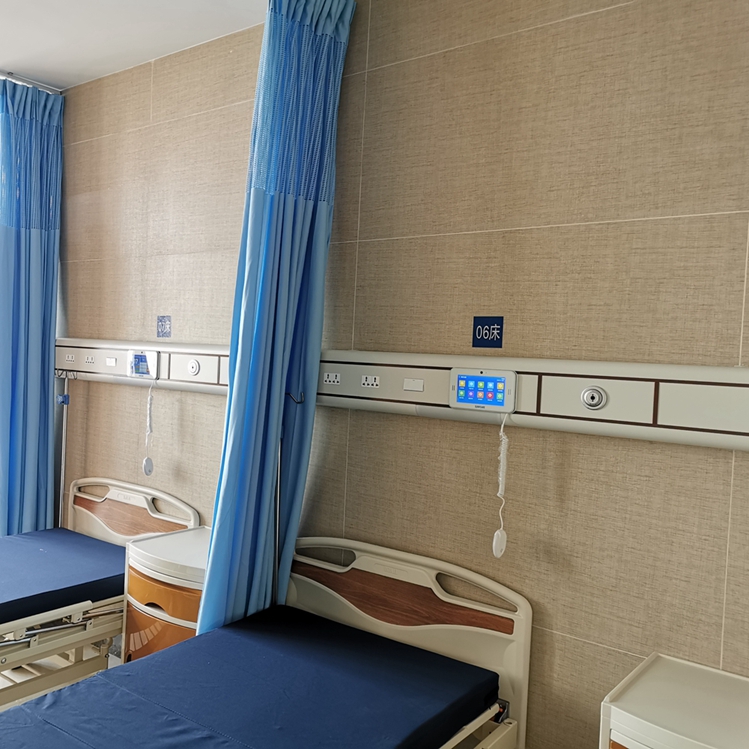
- Bed Extension Units: Located at each patient’s bedside, this is the patient’s primary interface. It typically houses a call button and may include a handset for direct conversation with the nurse station. Some models feature a built-in night light or a cancel button for the patient.
- Door Lamps (Room Indicators): Mounted above or beside the patient room door, these visual signals are crucial for staff in the corridor. A steady green light indicates an active call from the bed. A flashing red light signals a higher-priority emergency call from the bathroom, allowing for instant prioritization.
- Corridor Display Panels: These large, often LED-based screens are mounted in hallways or at key nursing points. They provide a continuous, scrolling list of all active calls, including the room number and call duration, giving a clear overview of ward status at a glance.
- Bathroom Emergency Extensions: Designed for wet environments, these are waterproof units with a pull-cord or a large emergency button. Activation generates a high-priority alarm, distinct from a standard bed call, to ensure swift response to falls or medical emergencies in the bathroom.
3. Step-by-Step: How a Call Works in a Traditional System
Understanding the patient-to-nurse communication flow highlights the system’s efficiency.
Step 1: Patient Initiates a Call.
A patient feeling unwell or requiring assistance presses the button on their bedside unit or pulls the cord in the bathroom. This action closes an electrical circuit in the system.
Step 2: Immediate Alert at the Nurse Station.
The signal travels instantly through the dedicated wiring to the Host Unit. The unit beeps audibly, and the display screen illuminates with the specific bed or room number. If it’s a bathroom call, the alarm tone is distinct and more urgent.
Step 3: Door Lamp Activates for Corridor Visibility.
Simultaneously, the door lamp outside the patient’s room activates. A green light tells any passing staff member which room has called. A flashing red light immediately communicates a bathroom emergency, enabling the closest nurse to intervene without delay.
Step 4: Corridor Display Updates.
The central corridor display panel updates its list to include the new call. This allows charge nurses to monitor workload and ensure no call is missed or unattended for too long.
Step 5: Two-Way Talkback is Established.
Before physically entering the room, a nurse can press the call button on the Host Unit and speak directly to the patient through the bedside speaker. This allows for initial assessment (“What do you need?”) and reassurance (“A nurse is on the way.”), which can be critical in non-critical situations.
✔️ Step 6: Nurse Resets the System.
Once the patient’s needs have been attended to, the nurse presses the reset or cancel button at the bedside or on the Host Unit. This clears the call from all displays, resets the door lamp, and logs the completion of the event, readying the system for the next request.
4. Smart IoT Nurse Call Systems (Two-Bus Android Version)
Moving beyond basic signaling, Smart IoT Nurse Call Systems transform the ward into an interactive, data-rich environment. These systems leverage an Android-based platform to create an integrated ecosystem of devices.
What Makes It “Smart”?
The intelligence lies in connectivity and integration. Unlike traditional systems that only pass a simple signal, smart systems create a network where devices communicate data. They use WiFi, Bluetooth, and other wireless protocols alongside wired backbones to connect not just call points, but also medical devices, staff badges, and hospital software.
Smart Components in Detail:
- Touchscreen Nurse Stations: These Android tablets provide an intuitive graphical interface. Nurses can see patient names, photos, risk alerts, and call priorities, not just room numbers.
- Bedside Touch Panels: Patients have a sophisticated terminal for calls, entertainment, accessing educational materials, and viewing their care plan. It can also display reminders for medication or tests.
- Mobile Nurse Extensions (PDAs/Wearables): Nurses carry wireless devices that receive call alerts with patient info directly, along with task lists and secure messaging, freeing them from being tethered to a fixed station.
- IoT Terminals & Smart Bathroom Extensions: These advanced sensors can detect unusual inactivity (e.g., a long bathroom visit) and generate automatic alerts, or integrate with fall detection mats.
5. Advanced Functions of Smart Systems
The capabilities of smart systems redefine ward management.
✔ Automated Voice Reminders: The system can broadcast personalized automated voice reminders to specific rooms for medication times, doctor visits, or pre-operative instructions, reducing the cognitive load on nursing staff.
✔ Dynamic Patient Information Boards: LCD screens in rooms or at nursing stations automatically pull data from the Hospital Information System (HIS) to display patient details, attending doctors, dietary notes, and vital sign trends, ensuring everyone is informed.
✔ Vital Signs Auto-upload: When a nurse takes a patient’s blood pressure using a connected monitor, the readings are wirelessly sent and saved directly to the patient’s electronic health record (EHR), eliminating manual entry errors and saving time.
✔ Comprehensive Ward Automation:
* Infusion Monitoring: Wireless sensors on IV poles alert nurses when an infusion is nearly complete or has stopped.
* Nurse Tracking: Using RFID badges, the system can log which nurse entered a room and when, providing accountability and supporting workflow analysis.
* Asset Tracking: Critical equipment like infusion pumps or portable monitors can be tagged and quickly located via the system’s network.
✔ Seamless HIS Integration: This is the most powerful feature. All activities—calls, vitals, nurse responses—are logged into the central hospital database. This data fuels performance reports, helps in resource allocation, and creates a complete digital audit trail for each patient’s journey.
6. Benefits of Nurse Call Systems for Hospitals in Nairobi
The investment in a nurse call system yields tangible returns across multiple facets of hospital operations.
Faster Emergency Response: Critical seconds are saved. A clear, unambiguous emergency alert from a bathroom ensures help arrives faster, which can be life-saving in cases of falls, cardiac events, or respiratory distress.
Improved Staff Efficiency and Morale: Nurses spend less time on routine checks and corridor monitoring. Prioritized alerts and mobile notifications allow them to manage their workload proactively, reducing stress and preventing burnout while serving more patients effectively.
Enhanced Patient Experience and Safety: Patients feel secure and attended to, which directly improves satisfaction scores and compliance with treatment plans. The constant line of communication reduces anxiety for both patients and their families.
Data-Driven Management and Accountability: Detailed reports on call volumes, average response times, and staff activity provide administrators with insights to optimize staffing levels, identify training needs, and improve overall service quality.
Cost-Effective Long-Term Operations: By streamlining workflows, reducing manual paperwork, and preventing adverse events through faster response, these systems significantly lower operational costs and mitigate risks, offering a strong return on investment.
7. Why Choose Ritto Technologies for Nurse Call Systems in Kenya?
Selecting the right technology partner is as crucial as selecting the system itself. Ritto Technologies distinguishes itself through a commitment to end-to-end service and deep local expertise.
We begin with a consultative assessment of your facility’s specific workflow, patient volume, and future growth plans. Our team then recommends a solution—be it a rugged traditional ETR system for a specialist clinic or a full Smart Ward installation for a new hospital wing.
Our professional installation is performed by certified technicians who ensure minimal disruption to your operations. We provide comprehensive hands-on staff training, ensuring your team is confident and proficient in using the system from day one. Our commitment continues with reliable maintenance support, swift troubleshooting, and upgrade paths to protect your investment as your needs evolve.