The Best Employee Time Attendance Systems in 2026 – A Complete Guide for Kenyan Businesses.
The Best Employee Time Attendance Systems in 2026 For Kenya. Choosing the right employee time attendance system is a critical business decision. In 2026, this choice is no longer just about tracking hours. It is about gaining accuracy, ensuring security, and achieving full control over your workplace operations. If you are searching for the best solution in Kenya, this guide is for you. We will explore what modern systems offer and how they integrate seamlessly with your office access points.

What Defines a Modern Time Attendance System in 2026?
The landscape has evolved. A simple punch clock is now obsolete. Today’s systems are smart, connected, and intelligent. They are designed to solve multiple problems at once. Let us break down the essential features you must look for this year.
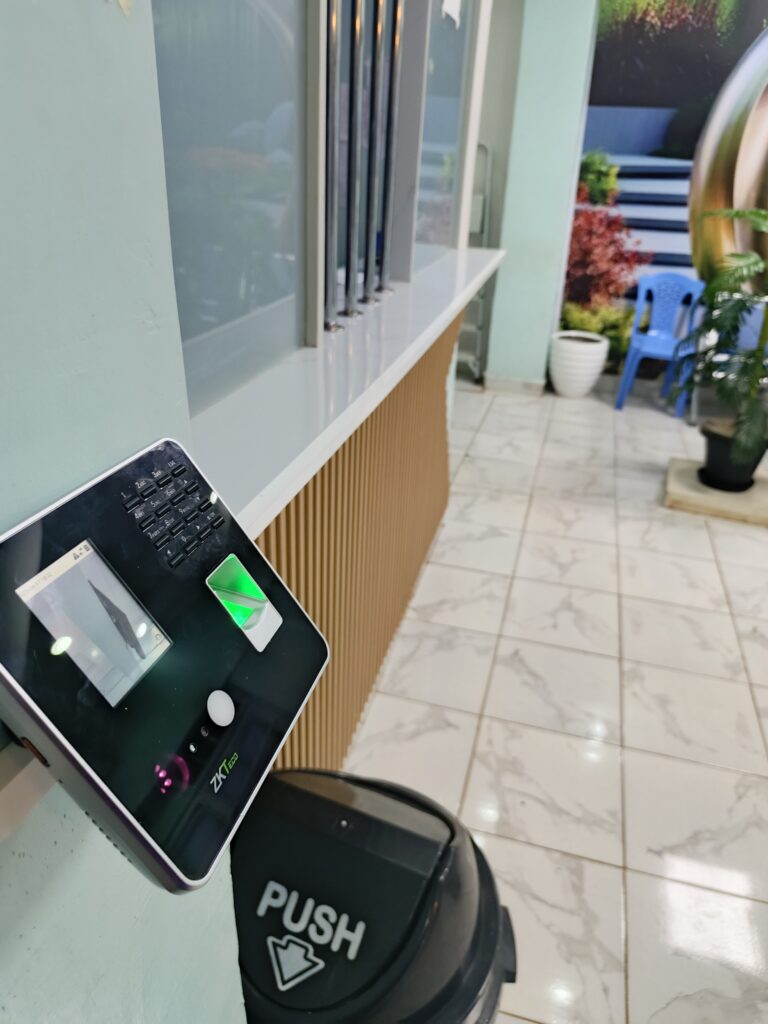
First, a reliable system must support multiple verification methods. Modern workplaces are diverse. Your solution should accommodate fingerprint scanning, facial recognition, proximity cards, and secure PIN codes. This flexibility is crucial. It ensures smooth operation across various environments. Offices, factories, schools, and hospitals all have different needs. A multi-branch organisation benefits greatly from this adaptability.

Second, real-time monitoring is non-negotiable. Managers and HR teams need instant visibility. A secure, cloud-based dashboard provides this. You can see who is present, who is late, and who is absent from any device. This immediacy allows for quicker decision-making and better resource allocation.
The Power of Advanced Reporting and Management.
Data is useless without insight. This is where advanced reporting comes in. The best systems of 2026 automatically generate detailed reports. They track late arrivals, early departures, overtime hours, and unexplained absences. Shift-based summaries become effortless.
These reports are more than just numbers. They are tools for accuracy and compliance. Payroll processing becomes precise and defensible. You avoid costly errors and disputes. Labour law compliance in Kenya becomes simpler to manage and prove.
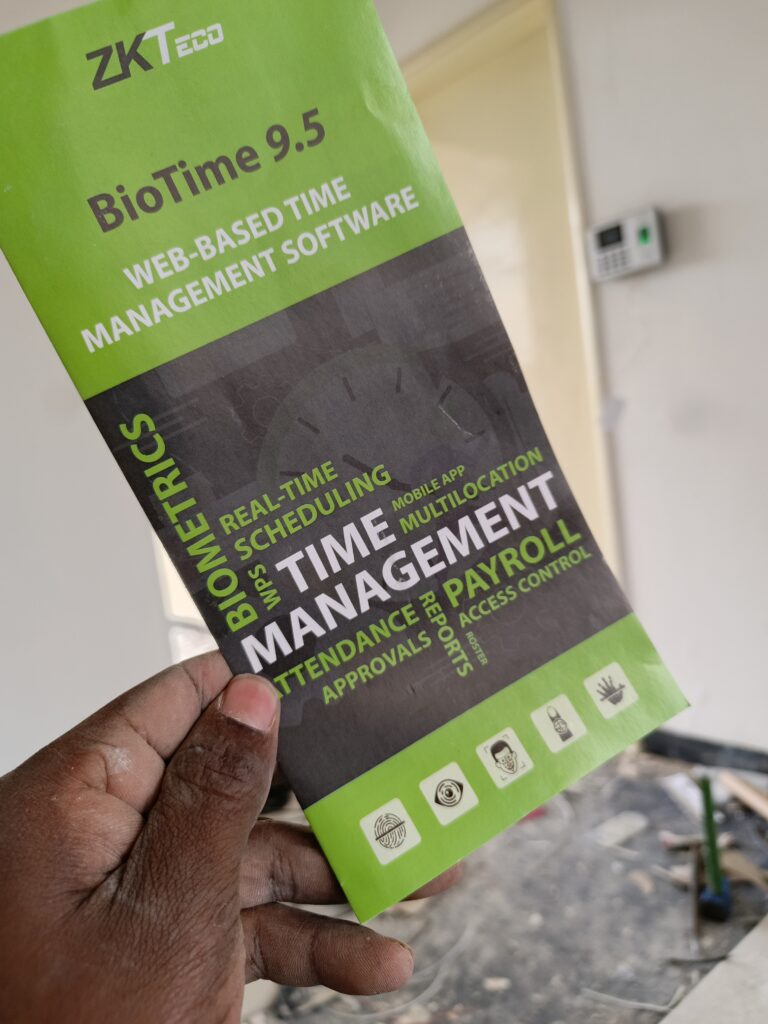
Furthermore, user management is a cornerstone feature. A modern platform lets you organise employees logically. You can group them by department, role, or physical location. This structure is vital for managing large or growing teams. It also allows for tailored access rules and reporting.
 Get A Quote On Whatsapp
SenseFace 2A Biometric Access Control System
Biometric Access Control Installation- Get A Quote On Whatsapp
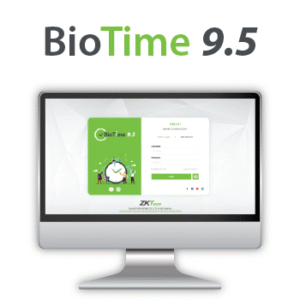
ZKBioTime 9.5 Time Attendance Management Web based System
Hotels Biometrics Management Software - Get A Quote On Whatsapp
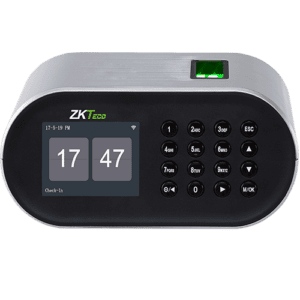
ZKTeco D1 Tabletop Biometric Fingerprint Time Attendance.
Biometric Access Control Installation - Get A Quote On Whatsapp
ZKTeco D3 Multi-Biometric Time Attendance Terminal
Biometric Access Control Installation - Get A Quote On Whatsapp
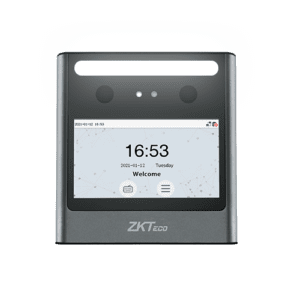
Zkteco EFace10 Facial Recognition Time Attendance Terminal
Biometric Access Control Installation - Get A Quote On Whatsapp
ZKTeco FaceDepot-7A Fingerprint Biometrics Device
Biometric Access Control Installation - Get A Quote On Whatsapp
ZKTeco FaceDepot-7BL Face – Palm Recognition Biometric
Biometric Access Control Installation - Get A Quote On Whatsapp
ZKTeco Horus Advanced Facial Recognition Access Control
Biometric Access Control Installation - Get A Quote On Whatsapp
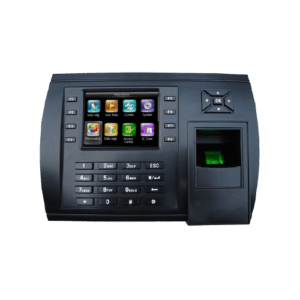
ZKTeco iClock S900 Fingerprint Time Attendance Terminal
Biometric Access Control Installation  Get A Quote On Whatsapp
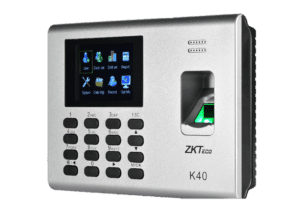
ZKTeco K40 Time Attendance Terminal
Biometric Access Control Installation- Get A Quote On Whatsapp
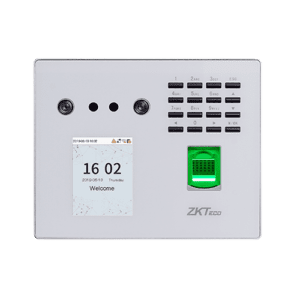
ZKTeco MB560-VL Multi-Biometric Time Attendance Terminal
Biometric Access Control Installation - Get A Quote On Whatsapp
ZKTeco MultiBio 600 Time and Attendance Biometric
Biometric Access Control Installation - Get A Quote On Whatsapp
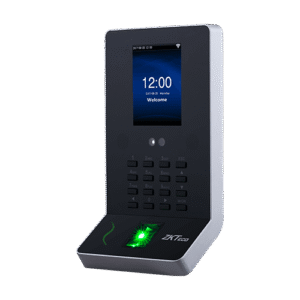
Zkteco P160 Multi-Biometric Time Attendance
Biometric Access Control Installation - Get A Quote On Whatsapp
ZKTeco PA10 Palm & Fingerprint Hybrid Biometric Terminal
Biometric Access Control Installation - Get A Quote On Whatsapp
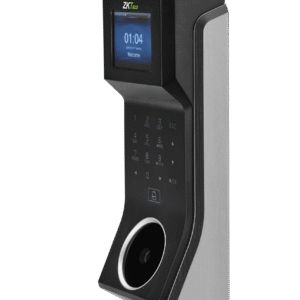
ZKTeco ProFace X [P] Advanced Facial Palm Time Attendance
Biometric Access Control Installation - Get A Quote On Whatsapp
ZKTeco ProFace X [TI] Face & Palm Recognition Security System
Biometric Access Control Installation - Get A Quote On Whatsapp
ZKTeco S922 Rugged Portable Biometric Time Attendance Terminal
Biometric Systems - Get A Quote On Whatsapp
ZKTeco SenseFace 3A AI-Based Biometric Access System
Biometric Access Control Installation - Get A Quote On Whatsapp
ZKTeco SenseFace 4 Series AI-Based Biometric System
Biometric Access Control Installation - Get A Quote On Whatsapp
ZKTeco SenseFace 7 Series AI-Based Facial Fingerprint Biometric
Biometric Access Control Installation - Get A Quote On Whatsapp
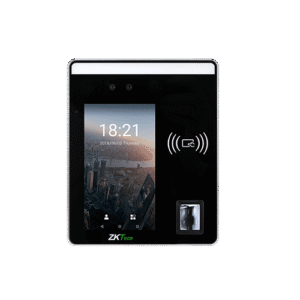
ZKTeco SpeedFace H5L Facial Recognition Biometric
Biometric Access Control Installation - Get A Quote On Whatsapp
ZKTeco SpeedFace M4 Time Attendance & Access Control
Biometric Access Control Installation - Get A Quote On Whatsapp
ZKTeco SpeedFace Mini Facial Indoor Time Attendance
Alarm Installation - Get A Quote On Whatsapp
ZKTeco SpeedFace V4L Pro Biometric Facial Recognition Terminal
Biometric Access Control Installation - Get A Quote On Whatsapp
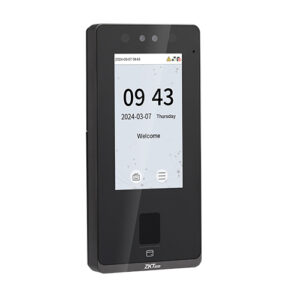
ZKTeco SpeedFace V5L [TI] Face Access Control with Thermal Imager
Biometric Access Control Installation - Get A Quote On Whatsapp
ZKTeco SpeedFace-V3L Facial Fingerprint Access Control
Biometric Access Control Installation - Get A Quote On Whatsapp
ZKTeco SpeedFace-V4L – Face & Palm Recognition Biometric
Biometric Access Control Installation - Get A Quote On Whatsapp
ZKTeco UFace 800 Biometric Face Recognition Time Attendance
Biometric Access Control Installation




![ZKTeco ProFace X [P] Advanced Facial Palm Time Attendance](https://rittotechnologies.co.ke/wp-content/uploads/2025/08/ZKTeco-ProFace-X-P-Advanced-Facial-and-Palm-Recognition-Terminal-–-Supply-and-Installation-in-Kenya-300x300.png)
![ZKTeco ProFace X [TI] Face & Palm Recognition Security System](https://rittotechnologies.co.ke/wp-content/uploads/2025/08/ZKTeco-ProFace-X-TI-Face-Palm-Recognition-Security-System-–-Supply-and-Installation-in-Kenya-300x300.png)



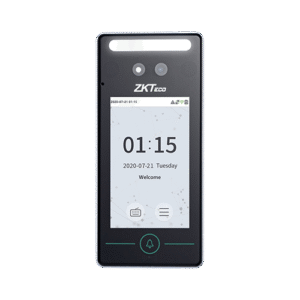
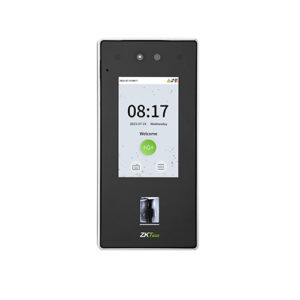
![ZKTeco SpeedFace V5L [TI] Face Access Control with Thermal Imager](https://rittotechnologies.co.ke/wp-content/uploads/2025/08/ZKTeco-SpeedFace-V5L-TI-Face-Access-Control-with-Thermal-Imager-Installation-in-Kenya-300x300.jpg)


The Integrated Advantage: Time Attendance Meets Access Control.
Now, let us discuss the most powerful trend for 2026: integration. The most effective setups combine time attendance with biometric or card-based door access control. This creates a unified security and management layer.
Here is how it works in practice. An employee arrives at work. They approach the main entrance door. Instead of using a separate clock-in terminal, they simply verify their identity at the door reader. They use their fingerprint, face, or card.
The system performs two actions instantly. First, it checks the credential against the access control list. If authorised, it unlocks the door. Second, it simultaneously records a precise check-in time in the attendance log. The process is seamless. The employee enters the building and is clocked in with one action.
The same integrated process applies when leaving. The employee verifies at the door to exit. The door unlocks, and the system records the exact check-out time. This creates a flawless, tamper-proof record of presence. It completely eliminates the problem of “buddy punching.”
Enhanced Security and Centralised Control.
This integration delivers profound security benefits. It ensures only authorised staff can enter specific areas. Every entry and exit is logged with a precise timestamp. You know who accessed which door and at what time. This protects sensitive areas like server rooms, storage facilities, and executive offices.
For organisations with multiple locations, the power is in centralisation. Data from all doors across all branches synchronises into one platform. A manager in Nairobi can see real-time attendance for the Mombasa office. This provides unparalleled visibility and control over a dispersed workforce.
Why This Matters for Kenyan Businesses in 2026.
The business case is clear. Modern time attendance systems save administrative time dramatically. They reduce payroll errors to near zero. They improve workforce discipline through transparency and fairness.
When integrated with access control, the value multiplies. You protect physical assets and sensitive information. You create a safe, managed environment. This holistic approach is the standard for forward-thinking companies in Kenya. It represents a smart investment in operational efficiency and risk management.
Final Advice for Your 2026 Investment.
Planning your investment requires careful thought. Always choose genuine, high-quality hardware from reputable providers. The software platform should be intuitive and robust. Professional installation and configuration are not optional extras. They are essential for reliability.
A well-designed system must match your organisation’s unique profile. Consider your staff size, working hours, shift patterns, and specific security needs. A solution for a 50-person tech office will differ from one for a 500-person manufacturing plant.
This is where expert partnership becomes invaluable. Working with an experienced provider like Boardtac Solutions ensures a proper setup. They handle the seamless door integration, staff training, and provide long-term technical support. This partnership guarantees your system works reliably from day one. It also ensures the solution can scale alongside your business growth.
For Kenyan businesses, the search for the best employee time attendance solution in 2026 has a clear answer. Focus on three pillars: smart feature sets, deep integration with access control, and committed expert support. This trifecta delivers more than just time tracking. It delivers peace of mind, operational excellence, and a secure foundation for your future growth.
The right system is an investment in your most valuable asset—your people. It streamlines their experience and protects your enterprise. Make your choice a strategic one.
Time Attendance FAQs.
1. What is an employee time attendance system?
An employee time attendance system is a digital solution that tracks and records when employees start and end their workdays. In 2026, it goes beyond simple clocking to include features like biometric verification, real-time monitoring, and integration with access control and payroll systems.
2. Why is a time attendance system important for businesses in Kenya?
It is crucial for ensuring accurate payroll, complying with Kenyan labour laws, improving operational discipline, and enhancing workplace security. It eliminates manual errors, prevents time theft, and provides clear data for management decisions.
3. How have time attendance systems evolved for 2026?
They have evolved from basic punch clocks to intelligent, integrated platforms. Modern systems now use AI, cloud computing, and IoT. They offer multi-method verification, seamless access control integration, and advanced real-time analytics, focusing on security, accuracy, and user experience.
4. What are the different types of time attendance systems available?
The main types include biometric systems (fingerprint, facial recognition), card/PIN-based systems (RFID, NFC), and hybrid models. In 2026, the most advanced are integrated systems that combine attendance tracking with door access control into a single, unified platform.
5. Is a time attendance system a good investment for a small business in Kenya?
Absolutely. It saves significant administrative time, reduces costly payroll errors, and scales with your business. For small businesses, it instills professional discipline from the start and provides data that is essential for growth and fair labour practices.
6. What are the key features of a modern 2026 time attendance system?
Key features include multi-method biometric verification, real-time cloud-based dashboards, automated detailed reporting, seamless access control integration, user-friendly department management, and robust data security protocols.
7. What is biometric time attendance?
Biometric time attendance uses unique physical characteristics—like fingerprints or facial features—to verify an employee’s identity when clocking in or out. This method is highly secure and eliminates fraud such as buddy punching.
8. What is the difference between fingerprint and facial recognition attendance systems?
Fingerprint systems scan and match fingerprint patterns. Facial recognition systems use a camera to analyze facial features. Facial recognition is more hygienic (touchless) and faster for some users, while fingerprint systems are highly accurate and often more cost-effective.
9. What are RFID card-based time attendance systems?
These systems use Radio-Frequency Identification cards or key fobs. Employees tap their card on a reader to record their time. They are reliable and easy to use but can be shared or lost, making them less secure than biometric options alone.
10. Do modern systems support mobile or app-based clock-in?
Yes, many advanced systems in 2026 offer geofenced mobile clock-in/out. This is ideal for remote or field staff, allowing them to log time from approved locations via a company smartphone app.
11. What is real-time attendance monitoring?
It is the ability for managers or HR to view who is present, late, absent, or on break instantly from a live dashboard. This allows for immediate response to staffing issues and better daily planning.
12. How does cloud-based time attendance work?
Data from attendance terminals is securely sent over the internet to remote servers. Authorized users can then access dashboards and reports from any web browser or mobile app, offering flexibility and eliminating the need for on-site servers.
13. Can a time attendance system handle shift work and flexible hours?
Yes. Modern systems allow you to define complex shift patterns, flexible hours, and break rules. The system automatically applies these rules when calculating attendance, overtime, and late arrivals.
14. What is “buddy punching” and how does a modern system prevent it?
Buddy punching is when one employee clocks in or out for another, leading to fraudulent time records. Biometric systems (fingerprint/facial) prevent this because they require the actual employee’s physical presence for verification.
15. Does the system work during a power or internet outage?
High-quality systems are designed for reliability. They often have battery backups for short power outages and can store attendance data locally on the device. Once power or internet is restored, the data syncs automatically to the cloud or central server.
16. What does it mean to integrate time attendance with access control?
Integration means connecting the time clock system with the electronic locks on your doors. A single verification action by an employee both grants them access to the building and records their attendance time, creating a unified security and management system.
17. How does an integrated door access and time clock system work?
An employee uses their fingerprint, face, or card at a door reader. The system instantly verifies if they are authorized to enter at that time. If yes, it unlocks the door and simultaneously logs the precise time as their clock-in or clock-out record.
18. Can one device handle both clocking in and unlocking the door?
Yes. This is the core of an integrated system. A single biometric terminal or card reader mounted at the entrance performs both functions, streamlining the process and reducing hardware costs.
19. What are the security benefits of integrating attendance with door access?
It creates a complete audit trail. You know not just when someone worked, but where they were within the building and at what time. This prevents unauthorized access to sensitive areas and enhances overall physical asset security.
20. Can I restrict access to specific areas based on time or department?
Absolutely. You can set detailed rules. For example, only the finance team can access the accounts office during working hours, or cleaning staff can access storage rooms only during their specific shift times.
21. How do I manage attendance for multiple office branches in Kenya?
A cloud-based integrated system centralizes all data. Attendance and access logs from branches in Nairobi, Mombasa, and Kisumu all feed into one dashboard. You can manage rules and view reports for your entire organization from a single platform.
22. What kind of reports can a 2026 attendance system generate?
Systems automatically generate reports on daily/weekly/monthly attendance, late arrivals, early departures, overtime hours, absenteeism, and shift summaries. These can be exported for payroll or auditing purposes.
23. How does an attendance system simplify payroll processing?
It automates the calculation of total hours worked, overtime, and late deductions. This data can often be exported directly or integrated with payroll software, eliminating manual data entry and drastically reducing errors.
24. Can the system automatically calculate overtime and late hours?
Yes. Once you configure your standard working hours and overtime rules, the system automatically flags and calculates any extra hours or late minutes, applying your company’s policy consistently.
25. How does the system track employee absences and leave?
Employees can often apply for leave through the system portal. Managers approve digitally, and the system automatically marks the days as authorized leave, distinguishing them from unexplained absences in reports.
26. Can I organise employees by department or location in the system?
Yes. A core feature is intuitive employee management. You can create groups for different departments, teams, or branches, making it easy to assign specific access rights and generate filtered reports.
27. How do managers get alerts for attendance issues?
Systems can be configured to send instant SMS or email alerts to managers for specific events, such as when a key staff member is late, someone tries to access a restricted area, or an unscheduled overtime threshold is reached.
28. How does a time attendance system help with Kenyan labour law compliance?
It provides accurate, tamper-proof records of hours worked. This is essential for proving compliance with regulations on working hours, overtime pay, rest periods, and minimum wage, as stipulated in the Employment Act.
29. Is electronic timekeeping legally accepted for payroll in Kenya?
Yes. Electronic records from a reliable, verifiable system are legally recognized. They are often considered more credible than manual registers in the event of a dispute with an employee or a labour audit.
30. How long should attendance records be stored?
It is advisable to store records for at least the period required by Kenyan law for payroll documentation, typically several years. Cloud-based systems securely archive this data automatically.
31. Does the system help with NHIF and NSSF statutory deductions?
While primarily for tracking hours, the accurate payroll data it generates forms the correct basis for calculating NHIF and NSSF contributions, ensuring deductions are precise and compliant.
32. What should I look for when choosing a time attendance system in Kenya?
Focus on: multi-verification methods, real-time cloud reporting, integration capabilities with access control, scalability for growth, local service and support, and compliance with data protection laws.
33. How do I choose between fingerprint, face ID, or card systems?
Consider your environment. Fingerprint is cost-effective and highly accurate. Face ID is hygienic and fast, good for high-traffic areas. Cards are simple but less secure. Many businesses opt for a hybrid system to suit different needs.
34. What is the difference between on-premise and cloud-based solutions?
On-premise systems store data on your local server, offering full internal control. Cloud-based systems store data on the vendor’s secure servers, offering easier remote access, lower IT overhead, and automatic updates. Cloud is the dominant model for 2026.
35. How many employee capacities do these systems support?
Systems range from supporting a few dozen to tens of thousands of users. It is critical to choose a system that can scale easily as your company grows, without requiring a complete hardware overhaul.
36. What is the cost of a good time attendance system in Kenya?
Costs vary based on features, number of users, and hardware (biometric terminals). It can range from a one-time investment for a small setup to a monthly subscription for an enterprise cloud system. The ROI through saved time and reduced errors is typically high.
37. Are there ongoing subscription fees for cloud-based systems?
Often, yes. Cloud services usually involve a monthly or annual per-user subscription fee. This covers software updates, cloud storage, security, and technical support, shifting the model from a capital expense to an operational one.
38. Why is professional installation important for these systems?
Professional installers ensure hardware is optimally placed, networked correctly, and configured to match your business rules. This prevents technical issues, ensures security, and guarantees the system works reliably from day one.
39. How long does it take to implement a new time attendance system?
For a standard single-location setup, implementation can take a few days to a week. This includes installation, employee enrollment (registering biometrics/cards), configuration, and basic staff training.
40. What training is needed for staff to use the system?
Training is minimal for end-users—they simply need to know how to verify themselves. Administrators and managers require training on using the dashboard, generating reports, and managing employee profiles and settings.
41. What are common problems with old time attendance methods?
Manual registers are prone to errors, fraud, and loss. Paper timesheets cause payroll delays and disputes. Simple punch cards do not prevent buddy punching and offer no real-time visibility or integration.
42. How accurate are biometric time attendance systems?
They are extremely accurate, with modern fingerprint and facial recognition systems boasting accuracy rates well over 99%. Environmental factors like very dry fingers or poor lighting can occasionally cause issues, but multi-method systems provide a backup.
43. What if an employee forgets their card or has a fingerprint issue?
A robust system will have fallback options. This could be a PIN code, a secondary verification method (like face if fingerprint fails), or an override procedure managed by an administrator to ensure no one is unfairly locked out or unable to clock in.
44. How is employee privacy protected with biometric systems?
Reputable systems do not store actual fingerprint images or photos. They convert biometric data into encrypted mathematical templates that cannot be reverse-engineered. Data should be stored in compliance with Kenya’s Data Protection Act.
45. Can the system be hacked or data be tampered with?
High-end systems use strong encryption for data transmission and storage. Access is controlled via secure login credentials. On-premise data can be more vulnerable if internal IT security is weak, while reputable cloud providers invest heavily in top-tier cybersecurity.
46. How reliable are these systems in Kenya’s environment?
Quality systems are built for durability. They can handle dust, humidity, and typical power fluctuations. Choosing a supplier like Ritto Technologies ensures you get hardware suited for local conditions and reliable local support for maintenance.
47. What technical support is available after purchase?
A good provider offers comprehensive support: phone/email helpdesk, on-site troubleshooting, warranty services, and software updates. Ensure you understand the support agreement before purchase.
48. Which time attendance systems are most popular in Kenyan businesses?
Integrated biometric systems are leading the market. Fingerprint-based systems are widely used for their balance of cost and security, with facial recognition gaining rapid popularity in sectors like healthcare and corporate offices for its touchless advantage.
49. Are there Kenyan companies that provide local support for these systems?
Yes. Choosing a Kenyan-based solutions provider like Ritto Technologies is advantageous. They offer local expertise, faster response times for service and support, understanding of local regulations, and hardware sourcing suited to the Kenyan market.
50. How can Ritto Technologies help me implement the right system for my Kenyan business?
Ritto Technologies provides end-to-end service: consultation to understand your specific needs, supply of genuine hardware, professional installation and integration, comprehensive staff training, and ongoing technical support and maintenance, ensuring a smooth and successful implementation.