The Complete Guide to Wired Video Door Phone Intercom Installation in Kenya: Security Solutions for Nairobi Apartments, Urban Estates & Coastal Properties.
In Kenya’s rapidly evolving security landscape, the wired video door phone intercom system has emerged as an indispensable technology for residential and commercial properties alike. Unlike temporary wireless solutions, a professionally installed wired system provides permanent, tamper-proof security that withstands Kenya’s unique environmental challenges while delivering crystal-clear communication. This comprehensive guide explores why Kenyan homeowners, Nairobi apartment managers, and business operators are increasingly opting for wired intercom systems, the technical considerations for installation across different regions, and how Ritto Technologies delivers expert supply and installation services nationwide.
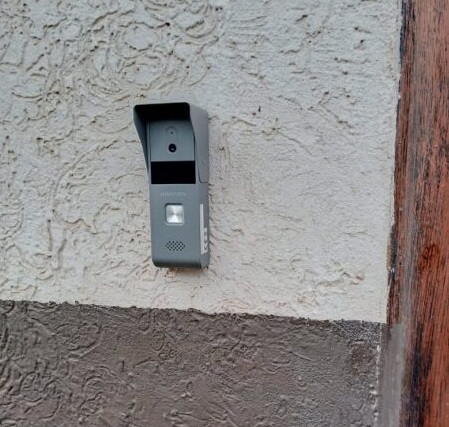
Understanding Wired vs. Wireless Systems in the Kenyan Context.
The choice between wired and wireless intercom systems requires careful consideration of Kenya’s infrastructure and environmental factors. Wired video door phone systems offer superior reliability in areas experiencing frequent Wi-Fi congestion—particularly in Nairobi’s densely populated neighborhoods like Kilimani, Westlands, and Eastleigh where multiple wireless networks can interfere with signal transmission. These systems maintain consistent performance during power fluctuations common in areas like parts of Ngong Road or Thika Road, as they typically connect to backup power systems. Unlike wireless alternatives that may fail during heavy rains—a significant concern in regions like Kericho or the Lake Victoria basin—wired installations provide uninterrupted service. For high-security applications in financial institutions along Nairobi’s Haile Selassie Avenue or diplomatic residences in Muthaiga, wired systems offer immunity against radio frequency jamming attempts that could compromise wireless security devices.
 Get A Quote On Whatsapp
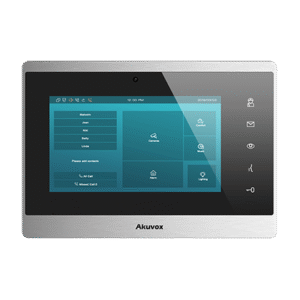
Akuvox IT82 – Indoor Video Intercom Monitor
Video Intercoms- Get A Quote On Whatsapp
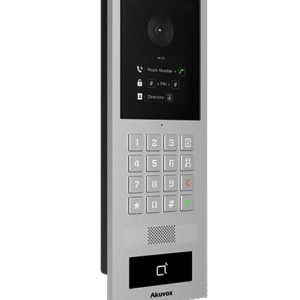
Akuvox S532
Video Intercoms - Get A Quote On Whatsapp
Akuvox S539 Android Video Door Phone
Video Intercoms - Get A Quote On Whatsapp
Akuvox X916 – Android Intercom with Starlight Camera.
Video Intercoms - Get A Quote On Whatsapp
Apartment Video Doorbell Intercom Installation
Video Intercoms - Get A Quote On Whatsapp
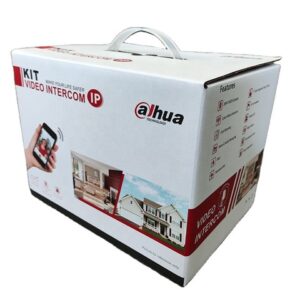
Dahua IP Villa Video Intercom Kit
CCTV Cameras - Get A Quote On Whatsapp
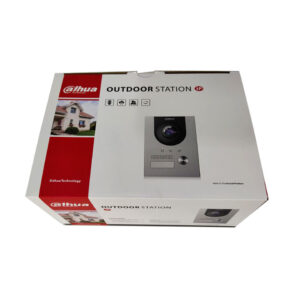
Dahua VTO2202F Video Intercom Camera Villa Door Station
Video Intercoms - Get A Quote On Whatsapp
Hikvision DS-KD8003-IME1 – Video Intercom Module Door Station
Video Intercoms - Get A Quote On Whatsapp
Hikvision DS-KD8003-IME2 Smart Door Intercom System.
Video Intercoms - Get A Quote On Whatsapp
Hikvision DS-KH6320Y-WTE2 Indoor Video Intercom Station
Video Intercoms - Get A Quote On Whatsapp
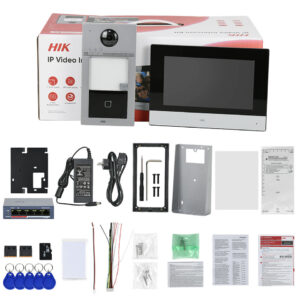
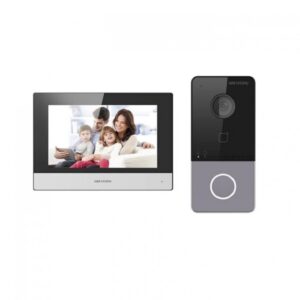
Hikvision DS-KIS606-P – IP Video Intercom Kit.
Video Intercoms - Get A Quote On Whatsapp
Hikvision DS-KIS606-P IP Video Intercom Kit Installation
Video Intercoms - Get A Quote On Whatsapp
Hikvision DS-KIS606-P IP Video Intercom Kit Installation
Video Intercoms - Get A Quote On Whatsapp
Hikvision DS-KV8413-WME1 – PoE Villa Door Station.
Video Intercoms - Get A Quote On Whatsapp
Hikvision Network Video Intercom Systems Installation
Video Intercoms - Get A Quote On Whatsapp
Hikvision Video Intercom Indoor Stations For Apartments
Video Intercoms - Get A Quote On Whatsapp
X910 – Single-Button Package Detection Door Phone.
Video Intercoms





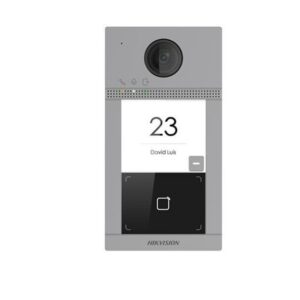
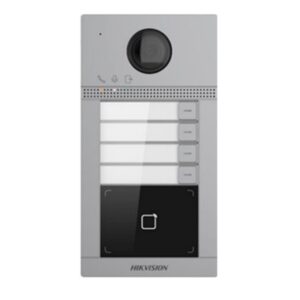
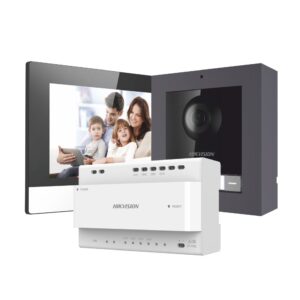


Nairobi’s Apartment Revolution: Mandatory Security Upgrades.
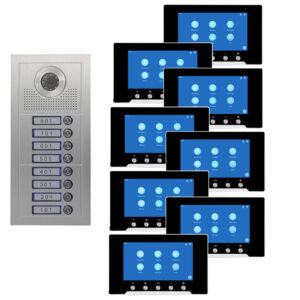
Nairobi’s vertical living explosion has created unprecedented demand for reliable intercom solutions. In upscale apartment complexes such as The Alma in Ruaka, Riverfront in Riverside, and Mirema Gardens along Thika Road, developers now consider wired video intercoms standard equipment. Management companies for buildings like Galileo in Westlands or Movenpick Residences specifically require wired systems for their maintenance-free operation and ability to integrate with centralized access control. These systems allow residents in multi-story buildings to screen delivery personnel from Jumia or Glovo, verify domestic workers, and manage guest access without physical key exchanges—particularly valuable in transient neighborhoods like Kilimani where tenant turnover is frequent.
Gated Community Requirements in Nairobi’s Suburbs.
In Nairobi’s expanding suburban estates—from Runda and Karen to newer developments like Mavoko and Athi River—homeowners’ associations increasingly mandate wired intercom systems as part of community security protocols. These systems integrate seamlessly with electric gates common in estates like Rosslyn and Hardy, creating a unified security ecosystem. The wired connection proves especially valuable in large compounds typical of Kitisuru or Loresho, where wireless signals might struggle with the distance between the gate and main house.
Coastal Property Considerations: Mombasa, Malindi, and Diani.
Kenya’s coastal properties face unique challenges that make wired systems particularly advantageous. The salty, humid air in Nyali, Bamburi, and Shanzu can corrode wireless transmitter components but has minimal effect on properly installed wired connections with marine-grade cabling. Luxury villas in Diani Beach and private residences in Malindi benefit from wired systems’ consistent performance despite the region’s high humidity and occasional tropical storms. Hotel operators along the Mombasa coastline prefer wired installations for their staff entrances and service areas where reliability is non-negotiable.
Commercial and Institutional Applications Nationwide.
Beyond residential use, wired video intercom systems serve critical functions in:
- Nairobi’s Central Business District offices requiring secure visitor management.
- Educational institutions like those in Kileleshwa or Lavington needing controlled parent access.
- Medical facilities across Kenya requiring sterile zone security.
- Industrial parks in Embakasi and Athi River managing shift worker flows.
Technical Specifications for Kenya’s Unique Environment.
Climate-Adaptive Installation Practices.
Professional installation in Kenya must account for regional variations:
- Nairobi and Central Highlands (1,500-2,200m altitude): Systems require protection against temperature fluctuations between day and night, particularly in areas like Limuru or Ngong where morning condensation can affect improperly sealed connections.
- Coastal Regions: Installations demand corrosion-resistant materials, with special attention to cable gland sealing in Mombasa’s salt-rich atmosphere. Underground conduit systems often prove preferable in beachfront properties.
- Arid Regions like Kajiado or Garissa: Systems require UV-protected outdoor units and heat-resistant cabling to withstand intense sun exposure.
Power Stability Solutions.
Given Kenya’s varying power reliability, professional installations incorporate:
- Voltage stabilizers for areas with frequent fluctuations, particularly in older Nairobi neighborhoods like Buruburu or South B
- Uninterruptible Power Supply (UPS) integration for essential security functions
- Solar power compatibility for remote properties in areas like Naivasha or Machakos
Nairobi’s Installation Hotspots: Building-Specific Considerations.
High-Rise Apartments and Their Challenges.
Installing wired systems in Nairobi’s prominent apartments requires specialized expertise:
- The Taurus in Westlands: Retrofit installations in existing structures demand minimal invasive work while maintaining aesthetic standards.
- Applewood in Karen: Large compound installations require extensive cable runs with signal boosters for consistent video quality.
- Movenpick Residences: Integration with existing building management systems necessitates technical compatibility assessments.
Heritage Properties and Conservation Areas.
In Nairobi’s historically significant areas like Muthaiga, Muthangari, and certain Karen properties, installation approaches must balance modern security needs with architectural preservation. Concealed cabling through existing conduits and minimally visible mounting solutions become essential considerations that professional installers like Ritto Technologies regularly navigate.
The Professional Installation Process: Ritto Technologies’ Methodology.
Phase 1: Comprehensive Site Assessment.
Our certified technicians conduct thorough evaluations considering:
- Structural analysis of walls and conduits in Nairobi’s varied construction styles—from stone buildings in Karen to modern glass structures in Upper Hill.
- Security audit identifying vulnerable points specific to the neighborhood.
- Future-proofing assessment for potential system expansion.
Phase 2: Customized System Design.
We tailor solutions based on property type:
- Nairobi apartments: Multi-tenant configurations with master/slave monitor setups.
- Standalone homes: Integration with existing alarm systems common in estates like Runda Meadows.
- Commercial properties: Time-based access restrictions and visitor logging for offices in Westlands or Parklands.
Phase 3: Precision Installation Execution.
Our installation teams specialize in:
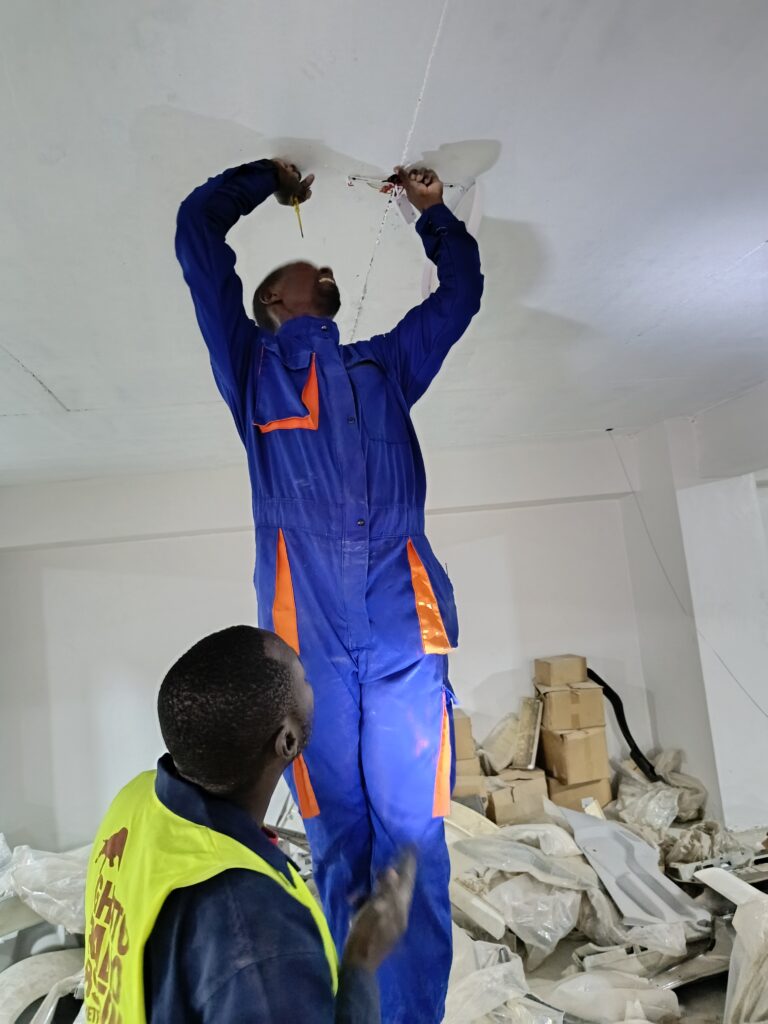
- Minimally invasive cabling through false ceilings common in Nairobi offices.
- Weatherproofing techniques for rainy season resilience.
- Aesthetic finishing matching Nairobi’s high interior design standards.
Phase 4: Testing and Client Education.
Every installation concludes with:
- Load testing simulating Nairobi’s typical visitor traffic patterns.
- Backup system verification for power outage scenarios.
- Comprehensive user training in multiple languages as needed.
Cost Considerations in the Kenyan Market.
Nairobi-Specific Pricing Factors.
Installation costs vary based on:
- Building age and construction—retrofits in older Kileleshwa homes often cost more than new constructions in Roysambu.
- Cable run complexity—multi-story buildings in Hurlingham versus bungalows in South C.
- Integration requirements with existing security common in Lavington and Muthaiga properties.
Value Proposition Beyond Initial Investment.
While wired systems require higher initial investment than wireless alternatives, they offer:
- Zero monthly subscription fees unlike cloud-based alternatives.
- Extended lifespan (10-15 years versus 3-5 for wireless).
- Higher property valuation particularly in premium Nairobi neighborhoods.
Maintenance and Support: Kenya-Wide Service Network.
Nairobi Metropolitan Service.
Ritto Technologies maintains rapid-response teams across Nairobi’s sectors:
- Central Nairobi (CBD, Upper Hill): 2-hour emergency response.
- West/North Nairobi (Westlands, Parklands, Gigiri): 4-hour standard response.
- Outer Nairobi (Kitengela, Ngong, Ruaka): Next-business-day service.
Regional Support Centers.
We provide technical support through:
- Mombasa office serving the entire coastal region.
- Nakuru hub for Rift Valley properties.
- Kisumu center for Western Kenya installations.
Regulatory Compliance and Standards in Kenya.
Professional installations adhere to:
- Communications Authority of Kenya regulations on electronic communications equipment.
- National Construction Authority guidelines for structural modifications.
- KEBS standards for electrical safety.
- Nairobi County bylaws regarding exterior modifications in conservation areas.
Future Trends: Integration with Kenya’s Smart Home Evolution.
Wired video intercom systems increasingly integrate with:
- Kenya Power’s smart metering initiatives in estates like Runda.
- Home automation systems popular in Nairobi’s new developments.
- Mobile payment verification for delivery personnel in urban areas.
- National security databases for enhanced visitor screening (where legally permissible).
Case Studies: Successful Implementations Across Kenya.
Nairobi Apartment Complex: The View in Ruaka.
Challenge: 200-unit development requiring minimal disruption during installation.
Solution: Phased installation during low-occupancy periods, centralized monitoring station.
Result: 100% resident adoption, 40% reduction in security incidents.
Mombasa Beach Hotel: Swahili Beach Resort.
Challenge: Corrosion-resistant installation in salt-heavy environment.
Solution: Marine-grade materials, elevated cable routing above flood levels.
Result: Three years of operation with zero weather-related failures.
Nairobi Corporate Office: Upper Hill Tower.
Challenge: Integration with existing RFID access system.
Solution: Custom interface development, dedicated server installation.
Result: Streamlined visitor management processing 500+ daily guests.
Choosing Your Installation Partner: Why Ritto Technologies Leads in Kenya.
As a premier supplier and installer, Ritto Technologies distinguishes itself through:
- Kenya-wide installation experience across all major regions and property types.
- Certified technical team trained in both European and Asian system technologies.
- Localized inventory ensuring rapid replacement part availability.
- Compliance expertise navigating Kenya’s regulatory landscape.
- Long-term support commitment with service contracts tailored to Kenyan market needs.
Securing Kenya’s Present and Future.
The wired video door phone intercom system represents more than just a security upgrade—it’s an investment in property value, resident safety, and operational efficiency. From Nairobi’s soaring apartments to Mombasa’s beachfront villas, from corporate headquarters to educational institutions, professionally installed wired systems provide the reliability that Kenya’s dynamic environment demands. As urbanization accelerates and security expectations rise, this technology will continue evolving as the backbone of intelligent property management nationwide.
For property owners, managers, and developers across Kenya, the question is no longer whether to install a video intercom system, but rather how to implement the most reliable, professional solution available. With proper planning, expert installation, and ongoing support from certified partners like Ritto Technologies, Kenyan properties can achieve security standards matching global best practices while addressing local environmental and operational realities.
Contact Ritto Technologies today for a customized assessment of your property’s wired video intercom needs—whether you’re managing a Nairobi apartment complex, securing a coastal resort, or upgrading a suburban Nairobi home. Our Kenya-wide expertise ensures your installation delivers optimal performance, compliance, and value for years to come.
General FAQs.
1. What is a video door phone intercom system and how does it work?
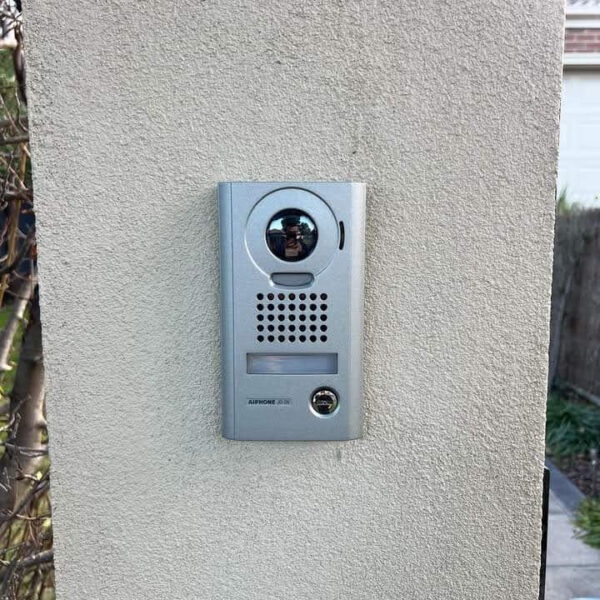
A video door phone intercom system is a security device that combines a camera-equipped outdoor unit at your entrance with an indoor monitor. When a visitor presses the call button, the system activates a two-way video call, allowing you to see and speak to them before granting access. It works by transmitting video and audio signals through cables (wired) or wireless signals between the outdoor station and indoor monitor.
2. Are video door phones legal to install in Kenya?
Video door phone intercom systems are completely legal to install in Kenya. They are classified as security equipment and their installation is encouraged for residential and commercial security. However, cameras should not point directly into neighbors’ private spaces to respect privacy rights.
3. What’s the difference between video intercom and regular doorbell?
A regular doorbell only produces a sound to alert you of a visitor. A video door phone intercom system provides visual identification via camera, two-way audio communication, and often additional features like visitor recording, remote door release, and smartphone integration. This makes it a comprehensive security solution rather than just a notification device.
4. Can video door phones work without internet in Kenya?
Most traditional wired video door phone systems work without internet connectivity. They operate on their own closed-circuit system using direct cabling between units. However, modern smart models that offer remote smartphone access require internet for those specific features. For basic see-and-speak functionality, internet is not necessary.
5. Is a video door phone better than CCTV for home security in Kenya?
Each serves different purposes. A video door phone provides real-time interaction with visitors at your main entrance, allowing you to screen them before access. CCTV systems monitor multiple areas but typically don’t offer two-way communication. For entrance security specifically, video door phones are more interactive, while CCTV provides broader surveillance coverage.
6. What types of video intercom systems are available in Kenya?
The Kenyan market offers three main types: wired systems (most common and reliable), wireless systems (easier installation), and IP/network systems (smartphone compatible). Within these categories, you’ll find variations like single-family home systems, multi-apartment systems, and commercial-grade systems with multiple monitors.
7. Which is better: wired or wireless video door phone in Kenya?
For permanent, reliable security, wired systems are generally better in Kenya. They offer stable connections unaffected by Wi-Fi congestion (common in Nairobi estates), no battery replacements, and immunity from signal interference. Wireless systems are easier to install but may experience signal issues in concrete buildings common in Kenyan construction.
8. What brands of video door phones are most reliable in Kenya?
Reliable brands available in Kenya include Commax (Korean), Aiphone (Japanese), Akuvox, Samsung, Hikvision, Dahua and Uniview. Local suppliers also offer quality Chinese brands like CP Plus and Zicom that are adapted for Kenyan conditions. At Ritto Technologies, we supply and install tested brands that withstand Kenya’s climate and power conditions.
9. Can I get a video door phone that works with my smartphone in Kenya?
Yes, several modern systems now offer smartphone integration. These IP-based systems connect to your home Wi-Fi and send notifications to your phone when someone rings. You can then see, hear, and speak to visitors from anywhere with internet access. However, these typically cost more than traditional standalone systems.
10. Are there solar-powered video door phones for Kenya’s power outages?
While most systems require mains power, they can be connected to backup solutions. Standard video door phones can be powered through UPS systems or connected to solar power with appropriate inverters and batteries. Some suppliers in Kenya offer complete solar backup packages specifically for security systems.
11. How much does a video door phone system cost in Kenya?
A durable and reliable IP based video door phone from KES 30,000 for a 1-camera, 1-monitor setup. Mid-range systems with better cameras and features range from KES 40,000 to KES 80,000. High-end systems with multiple monitors, smartphone integration, and superior build quality can cost KES 100,000+. Installation is typically charged separately.
12. What is the price range for installation of video door phone in Nairobi?
Professional installation in Nairobi typically costs between KES 30,000 and KES 80,000 depending on complexity. Simple installations in single-story homes start around KES 30,000-45,000. Multi-story buildings, long cable runs, or complex integrations with existing gates can cost KES 45,000 – 100,000. This includes labor, basic materials, and testing.
13. Are there affordable video door phones for apartments in Kenya?
Basic wired systems suitable for apartments start around KES 30,000-45,000 complete with installation.
14. How much does maintenance cost per year in Kenya?
Routine maintenance typically costs KES 5,000-10,000 annually if you opt for a service contract. This includes cleaning, basic checks, and minor adjustments. Without a contract, individual service calls cost KES 2,000-3,000 per visit plus any parts replacement. Most systems require minimal maintenance beyond occasional lens cleaning.
15. Which is cheaper to install: wired or wireless intercom in Kenya?
Wireless systems often have lower installation costs since they require minimal cabling work. However, wired systems, while costing more initially, prove more economical long-term due to zero battery costs and fewer maintenance issues, making them cheaper over a 5-year period.
16. How long does video door phone installation take in Kenya?
A standard residential installation takes 4-8 hours typically completed in one day. More complex installations in multi-story buildings or with extensive cabling might take 1-2 days. At Ritto Technologies, we aim to complete most residential installations within a single working day to minimize disruption.
17. Do I need a technician to install a video door phone in Kenya?
A qualified technicians is recommended. While DIY kits exist, proper installation requires technical knowledge for safe power connections, understanding of Kenya’s building codes, and skills for neat cable concealment in various wall types common in Kenyan homes (stone, brick, concrete).
18. Can video door phones be installed on stone walls common in Kenyan homes?
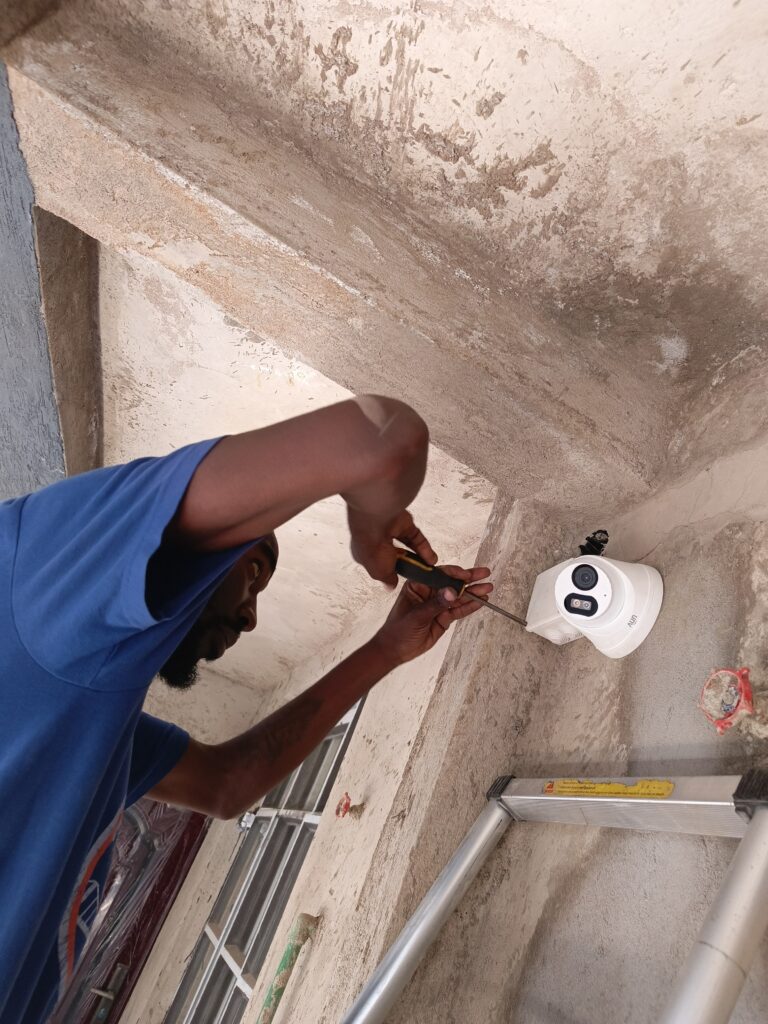
Professional installers in Kenya have experience with various wall types. Stone walls in areas like Karen or Muthaiga require specialized drilling equipment and techniques. Installers use diamond-tipped drill bits and proper sealing methods to ensure secure mounting without damaging the stonework’s integrity.
19. How are video door phones installed in apartments in Nairobi?
In Nairobi apartments, installation typically involves mounting the outdoor unit at the main entrance or building lobby, running cables through conduits or existing channels, and installing indoor monitors in each unit. For high-rise buildings, vertical cabling through risers is coordinated with building management to follow safety regulations.
20. Is drilling necessary for video door phone installation in Kenya?
For wired systems, minimal drilling is necessary for cable passages and mounting points. Professional installers aim to keep drilling to a minimum and use existing conduits where possible. They properly seal all drill holes to prevent water ingress, especially important during Kenya’s rainy seasons.
21. What voltage do video door phones use in Kenya (240V)?
Most video door phone systems in Kenya operate on 12V or 24V DC, supplied through a transformer that converts Kenya’s standard 240V mains power to the required low voltage. This enhances safety and allows connection to backup power systems more easily during Nairobi’s occasional power fluctuations.
22. Can video door phones withstand Kenya’s rainy season?
Quality systems installed professionally are designed for outdoor use with IP65 or higher weatherproof ratings, meaning they’re dust-tight and protected against water jets. Proper installation includes weatherproof seals and downward-facing cable entries to prevent water accumulation during heavy rains in regions like Nairobi or the Western Highlands.
23. Do video door phones work during Kenya’s frequent power blackouts?
With proper backup power, yes. Systems can be connected to UPS devices or integrated with existing inverter systems common in Kenyan homes. The low power consumption (typically 10-30 watts) means even small backup systems can keep them operational for hours during blackouts common in areas like parts of Embakasi or Thika Road.
24. How is the camera quality for Kenyan lighting conditions?
Modern systems feature auto-iris lenses and WDR (Wide Dynamic Range) technology that handle Kenya’s bright daylight and deep shadows effectively. Infrared night vision (typically 5-10 meters range) ensures clear imaging after dark, important for security in both well-lit urban areas and darker rural locations.
25. Can video door phones handle multiple visitors at once?
Basic systems handle one call at a time, while advanced models offer call waiting features. For high-traffic locations like office buildings in Nairobi’s CBD or apartment lobbies, commercial-grade systems with multiple lines and queuing capabilities are available to manage several visitors simultaneously.
26. Can video door phones record visitors in Kenya?
Many modern systems offer recording capabilities, either through built-in memory cards or connection to external DVRs. This is particularly valuable in Kenya for recording delivery personnel, service providers, or unexpected visitors. Recording provides evidence if needed and helps monitor domestic staff access patterns.
27. Do video intercoms have night vision for Kenyan homes?
Yes, virtually all quality video door phones feature infrared LED night vision, typically effective up to 5-10 meters. This is essential in Kenya where security concerns extend into night hours, especially in areas with limited street lighting or during frequent power outages that affect exterior lights.
28. Can I speak to visitors from my phone to video door phones in Kenya?
With IP-based smart systems, yes. These connect to your Wi-Fi and send notifications to a smartphone app. You can then answer calls from anywhere with internet access. Traditional analog systems require you to be at the indoor monitor, though some can be integrated with additional modules for remote access.
29. How many indoor monitors can I connect in a video door phone in a Kenyan home?
Most residential systems support 1-4 indoor monitors. You can place monitors in living areas, bedrooms, kitchen, and home office—common in larger Kenyan homes in estates like Runda or Karen. Advanced systems allow up to 10 monitors for very large properties or commercial applications.
30. Do video door phones integrate with electric gates in Kenya?
Yes, most systems offer relay outputs that can trigger electric gate opening mechanisms common in Kenyan estates. Professional installers like Ritto Technologies regularly integrate video door phones with gate motors from brands like Centurion or Nice, creating a unified access control system for enhanced security.
31. Are video door phones secure from hacking in Kenya?
Traditional wired analog systems are virtually unhackable as they operate on closed circuits. IP-based systems have security measures like encryption, but like any internet-connected device, require proper network security. We recommend changing default passwords and using secure Wi-Fi networks, especially in Nairobi’s dense urban areas.
32. Can strangers access my video door phone feed in Kenya?
With properly installed traditional systems, no—the feed travels only through dedicated cables to your monitors. With IP systems, security depends on your network setup. Following basic security practices like strong passwords and secure Wi-Fi prevents unauthorized access, an important consideration in apartment buildings with shared networks.
33. How is data privacy protected with video door phones in Kenya?
Recording-capable systems should be used in compliance with Kenya’s Data Protection Act. Footage should be stored securely and not shared indiscriminately. Professional installers advise on proper usage, and systems can be configured to auto-delete recordings after set periods to balance security needs with privacy considerations.
34. Can video door phone footage be used as legal evidence in Kenya?
Yes, footage from properly installed and maintained systems can serve as evidence in Kenyan courts, similar to CCTV footage. The timestamped video can help identify individuals and document incidents. Ensure your system maintains accurate time settings and stores footage properly for evidentiary integrity.
35. Are video door phones safe from vandalism in Kenyan neighborhoods?
Outdoor units are built with vandal-resistant features like strengthened casings and tamper-resistant screws. Installation at recommended heights (typically 1.4-1.6 meters) and in well-lit areas deters tampering. In high-risk areas, additional protective cages are available, though rarely needed in most Kenyan residential neighborhoods.
36. How much electricity does a video door phone consume in Kenya?
Typical consumption is minimal—about 10-30 watts total for the complete system. This translates to approximately KES 50-150 monthly on your Kenya Power bill, depending on usage patterns and local tariffs. The low consumption makes solar backup practical even with modest systems.
37. Can video door phones work with solar power in rural Kenya?
Absolutely. Their low power requirement makes them ideal for solar power. A small 50W solar panel with appropriate battery storage can power a system indefinitely, making them perfect for rural homes, farms, or safari lodges beyond the grid. Many installers in Kenya offer complete solar security packages.
38. What happens to video door phones during load shedding in Kenya?
With proper backup power (UPS or inverter integration), systems continue operating normally. The indoor monitor may dim or switch to power-saving mode during extended outages, but basic functionality continues. This reliability during scheduled and unscheduled outages is a key advantage in the Kenyan context.
39. Do video door phones need internet to work in Kenya?
Traditional wired systems require no internet whatsoever—they’re completely standalone. Only smart systems with remote access features require internet connectivity for those specific functions. For basic security screening at your door, internet is unnecessary, making these systems reliable even in areas with poor connectivity.
40. How are video door phones powered during blackouts in Kenya?
Professional installations typically include one of three backup solutions: connection to existing home inverter/UPS systems, dedicated small UPS units specifically for the intercom, or integration with solar power systems. This ensures continued operation during Kenya’s frequent power interruptions.
41. Who repairs video door phones in Nairobi?
Authorized dealers like Ritto Technologies, security system companies, and qualified electronics technicians offer repair services. For systems under warranty, contact your original installer. Many suppliers maintain service centers in Nairobi’s industrial areas like Industrial Area, Karen, or along Mombasa Road.
42. How often do video door phones need maintenance in Kenya?
Routine maintenance every 6-12 months is recommended, especially before and after rainy seasons. This includes cleaning camera lenses (affected by Nairobi’s dust), checking weather seals, testing all functions, and verifying backup power systems. Systems in coastal areas may need more frequent checks due to salt air.
43. What is the warranty period for video door phones in Kenya?
Standard warranty is 1-2 years on parts, with 6-12 months on installation labor. Some premium brands offer longer warranties. At Ritto Technologies, we provide comprehensive warranty coverage and prioritize local availability of spare parts to minimize downtime for repairs.
44. Can I get spare parts for video door phones locally in Kenya?
For major brands, yes—most suppliers keep common spare parts like cameras, monitors, and power supplies. For specialized components, ordering may take 1-2 weeks. We recommend choosing systems from suppliers with established local parts inventory to ensure quick repairs when needed.
45. How do I clean the camera lens in Kenya’s dusty environment?
Use a soft, dry microfiber cloth—never wet cloths or chemical cleaners that can damage coatings. Gently wipe the lens every 1-2 months, more frequently during dry seasons when dust is heavy. Professional cleaning during maintenance visits ensures proper care without risking damage to sensitive components.
46. Best video door phone for apartments in Nairobi?
For Nairobi apartments, we recommend wired multi-tenant systems that allow individual unit monitoring from a central entrance. Brands like Commax or Aiphone offer reliable apartment systems suitable for buildings in Kilimani, Westlands, or Lavington. These handle high usage and integrate well with building security.
47. Can video door phones work in gated communities in Kenya?
They’re ideal for gated communities. Systems can be installed at the main gate with monitors in guard houses and optionally in individual homes. This allows guards to screen visitors while residents can also verify from their homes before access is granted—common in estates like Runda, Rosslyn, or Kitisuru.
48. Video door phone installation cost for 4-bedroom house in Kenya?
A typical 4-bedroom house in Kenyan estates, expect KES 70,000-100,000 for a quality system with installation. This includes outdoor camera, 2-3 indoor monitors (living area, master bedroom, kitchen), professional cabling, and integration with existing gates if present.
49. Best video door phones system for rental apartments in Nairobi?
Rental properties, durable wired systems with minimal maintenance requirements are best. Systems with basic functionality (video, audio, door release) without complex smart features reduce tenant-related issues. They provide security without requiring tenant technical knowledge—important for frequently changing occupants in areas like Kilimani or Kileleshwa.
50. Video door phone recommendations for coastal homes in Mombasa?
Coastal properties in Nyali, Bamburi, or Diani, select systems with high corrosion resistance (IP68 rating), UV-protected casings, and marine-grade cabling. Professional installation must include extra weatherproofing and consideration for salt air corrosion—a specialty of installers familiar with coastal conditions.